Home › Travel journal › Eastern Canada
Eastern Canada
Nova Scotia 2
June 2012
Fortress of Louisbourg and Cape Breton Highlands National Park
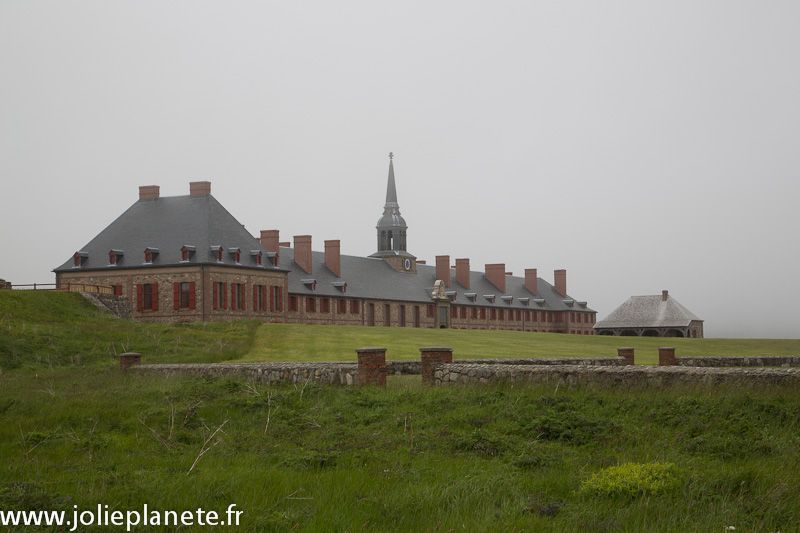
Fortress of Louisbourg: a chapter of French history was played out here
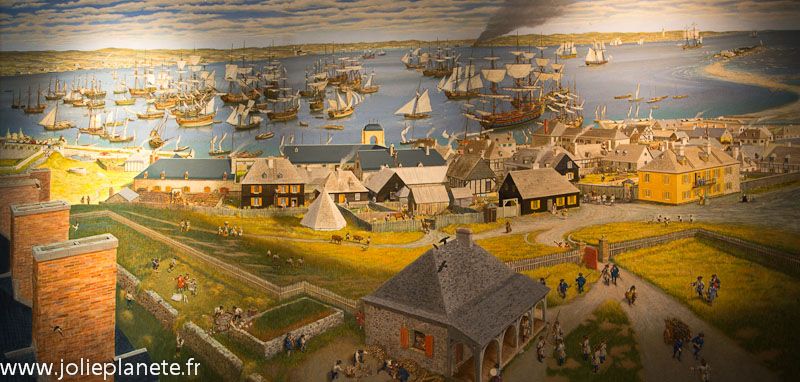
Today, it's history class for the kids.The Fortress of Louisbourg, nicknamed the "Gibraltar of North America" in the 18th century, was the most important French stronghold in the region.
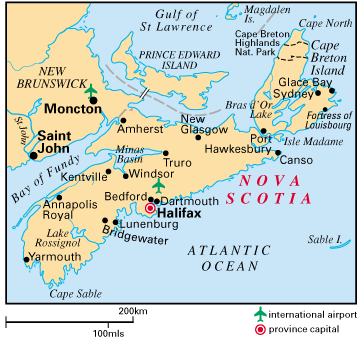
The fortress stood on Île Royale, now called Cape Breton Island, in Nova Scotia.
Construction of Louisbourg began in 1719 and was finished around 1743.
The costs were so high that King Louis XV complained: "Are its streets paved with gold? Shall we soon see its towers rising on the Paris horizon?"
Our king never really grasped how important the fortress was. He mainly drew income from the cod fishery (worth 3 times the price of fur back then!) and neglected his soldiers, who were enlisted in France as young as 14, crossed the Atlantic for 16 weeks, and were paid a pittance here.
And so, by around 1725, the new town had already become one of the main fishing ports in the region.
It was also a base for supplies, repairs and rest for the French privateers who attacked English merchant ships in the North Atlantic, and a training center for the French fleet was set up there.
In 1745, two years after construction ended, the fortress was taken by the English after a 46-day siege. By surrounding the fortress and starving our soldiers, they forced them to raise the white flag.
Legend has it (maybe just to make the French feel better) that the English had also been thinking about surrendering for two days, for lack of food...
In 1748, under the Treaty of Aix-la-Chapelle, Louisbourg was returned to France. But over the next 10 years, nothing was done to neutralize the threat posed by the hills around the town: no outpost, no redoubt was built there, nothing to stop cannons from being hauled up.
We're French, after all!
In 1758, the French had 10 ships in the harbor.
At dawn, they saw 150 British ships appear. Our cannon positions were the same as 13 years earlier (the French really are lazybones...)
The siege lasted 2 months. Once again, the English managed to starve our soldiers.
Now English, the fortress was completely razed by the British, since in the meantime they had settled in Halifax.
This is where the French conquest of North America came to a halt.
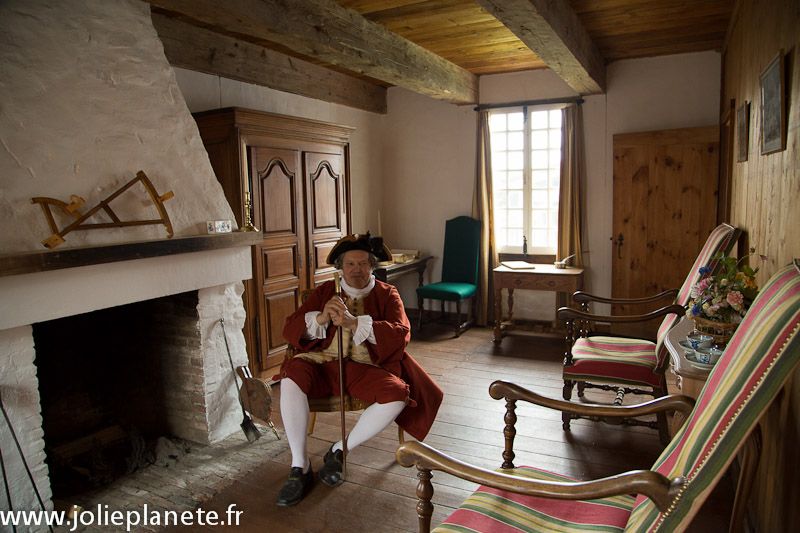
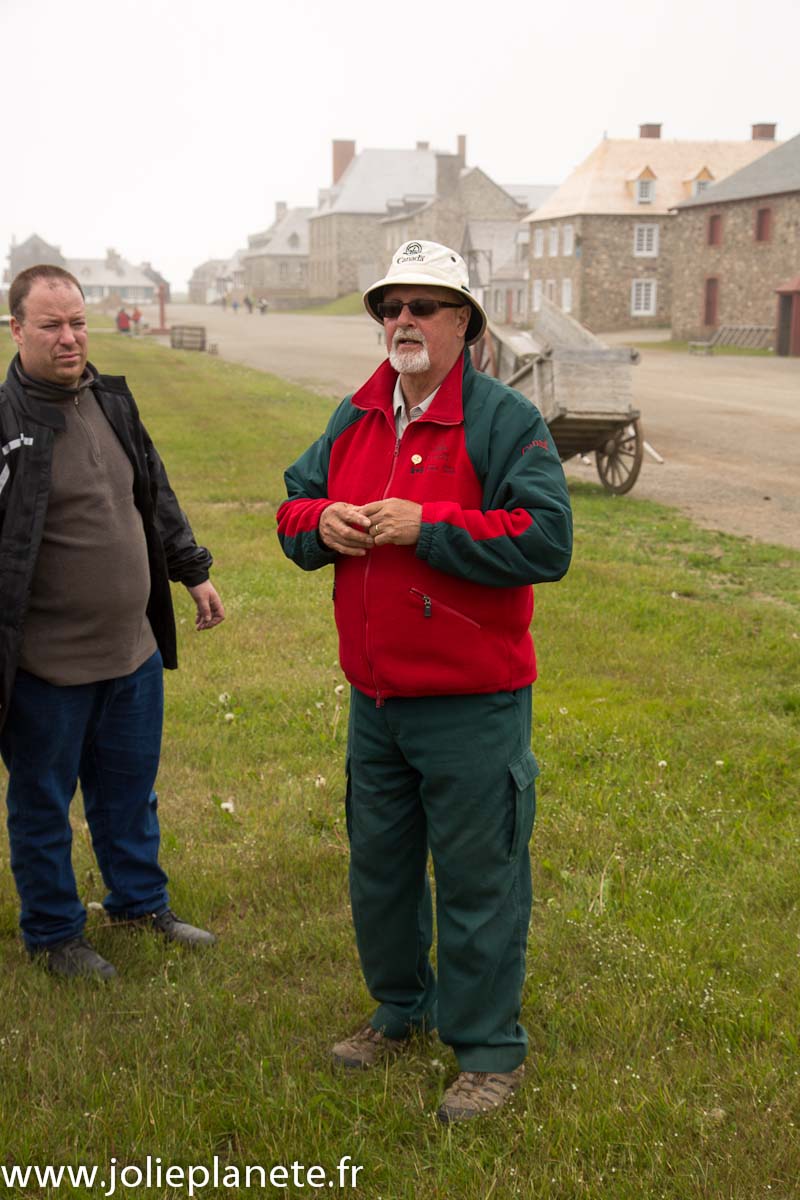
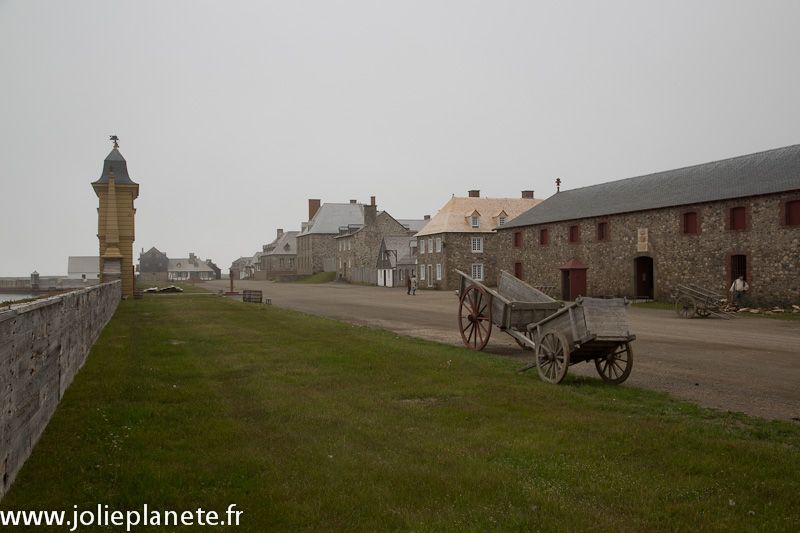
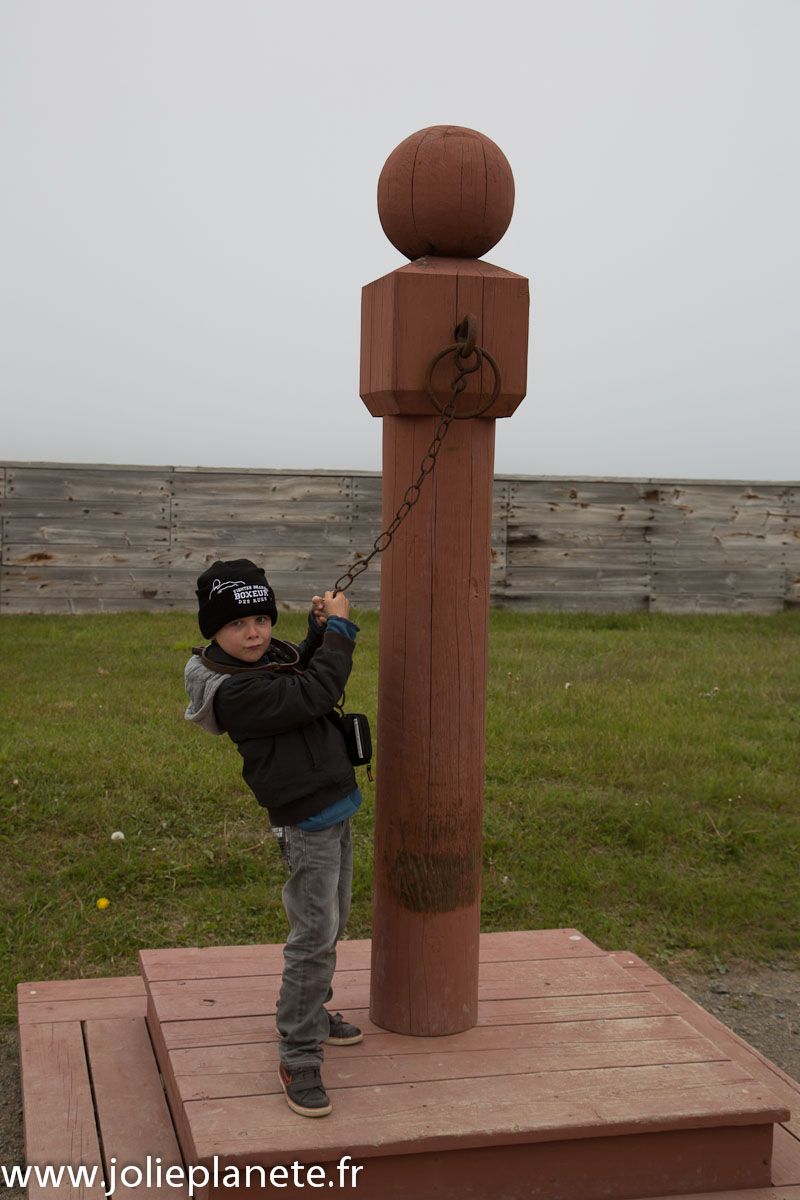
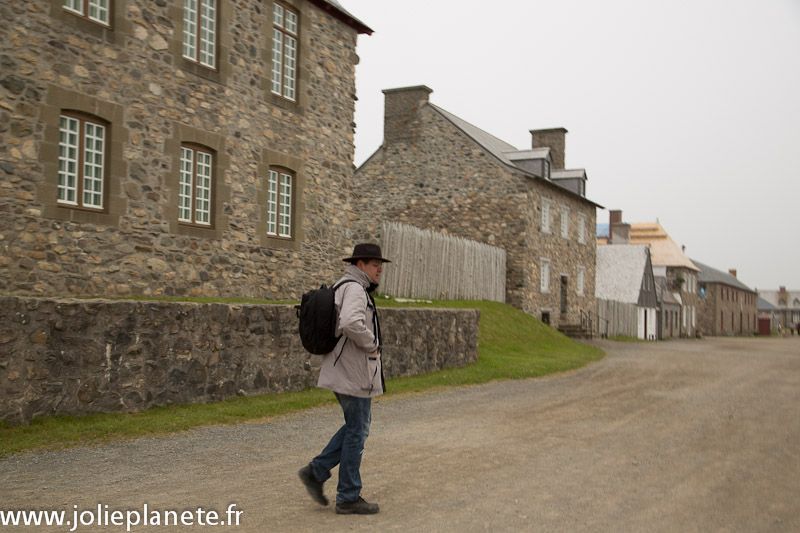
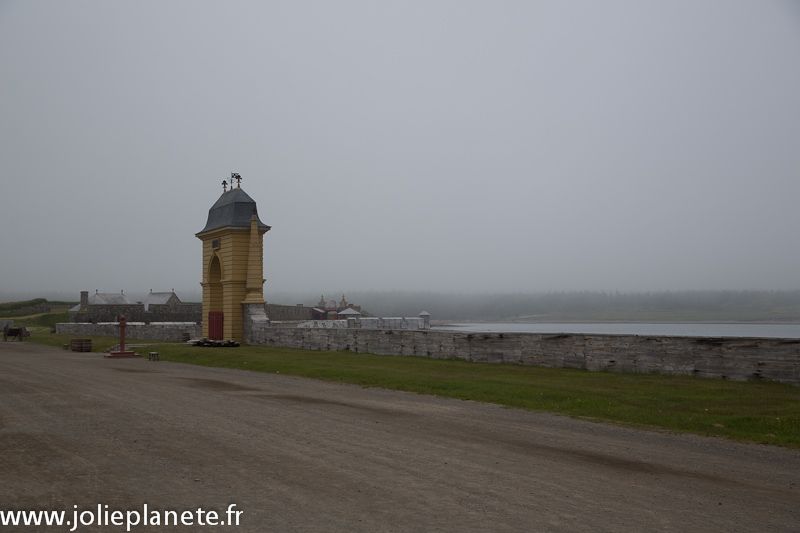
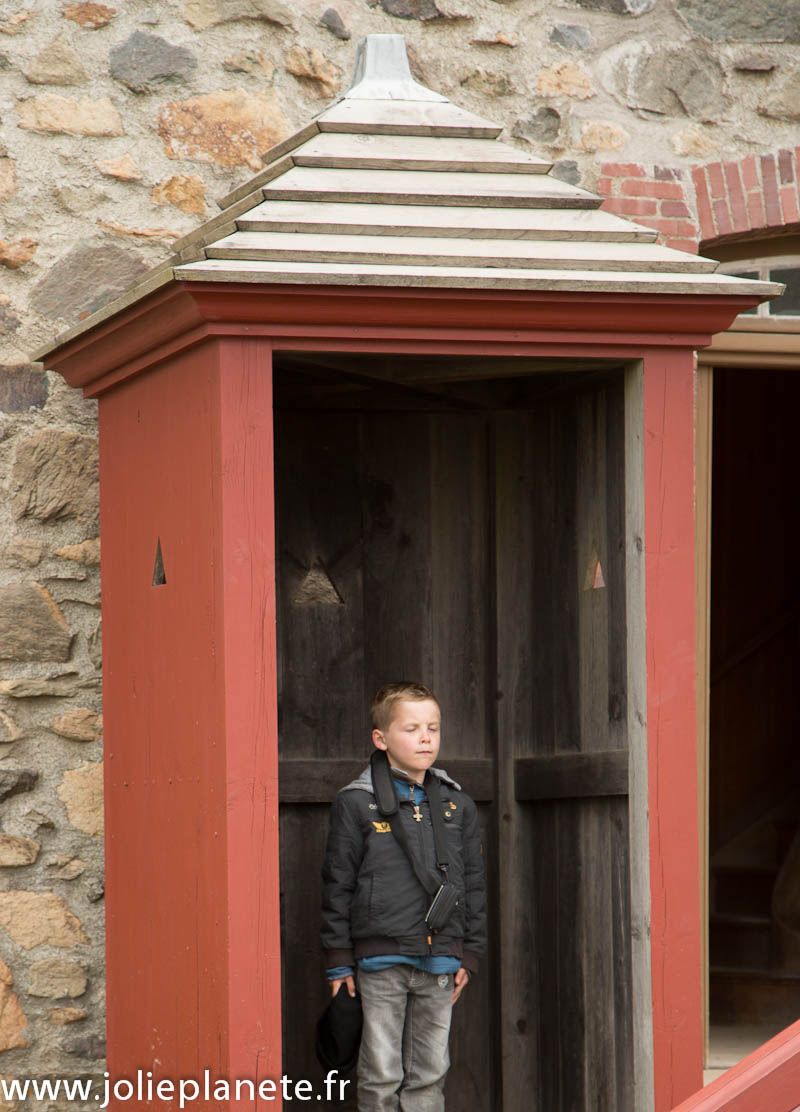
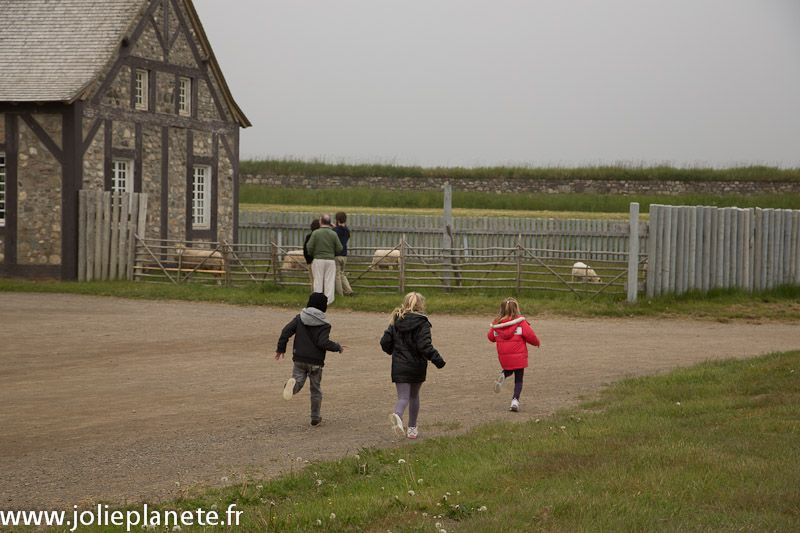
Starting in 1960, the Canadians invested over 20 million dollars to rebuild a quarter of the historic site exactly as it was.The visit is superb, and we enjoy a fascinating French-speaking guide for more than 2 hours.
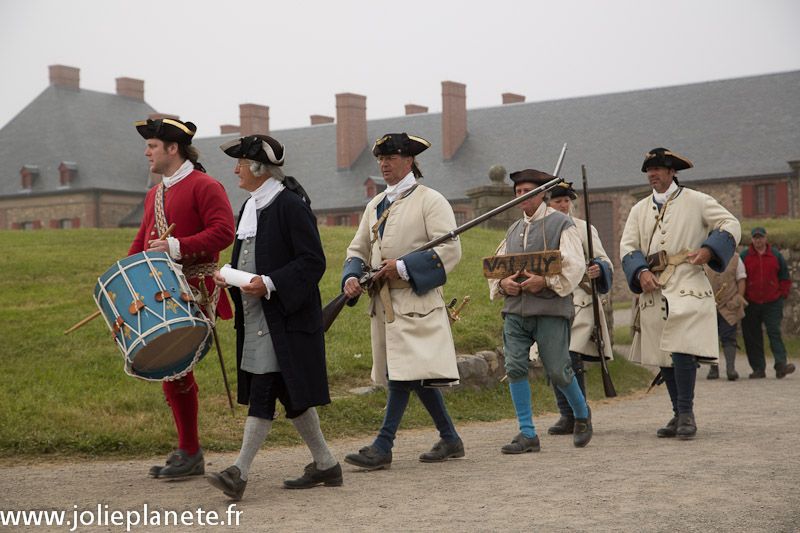
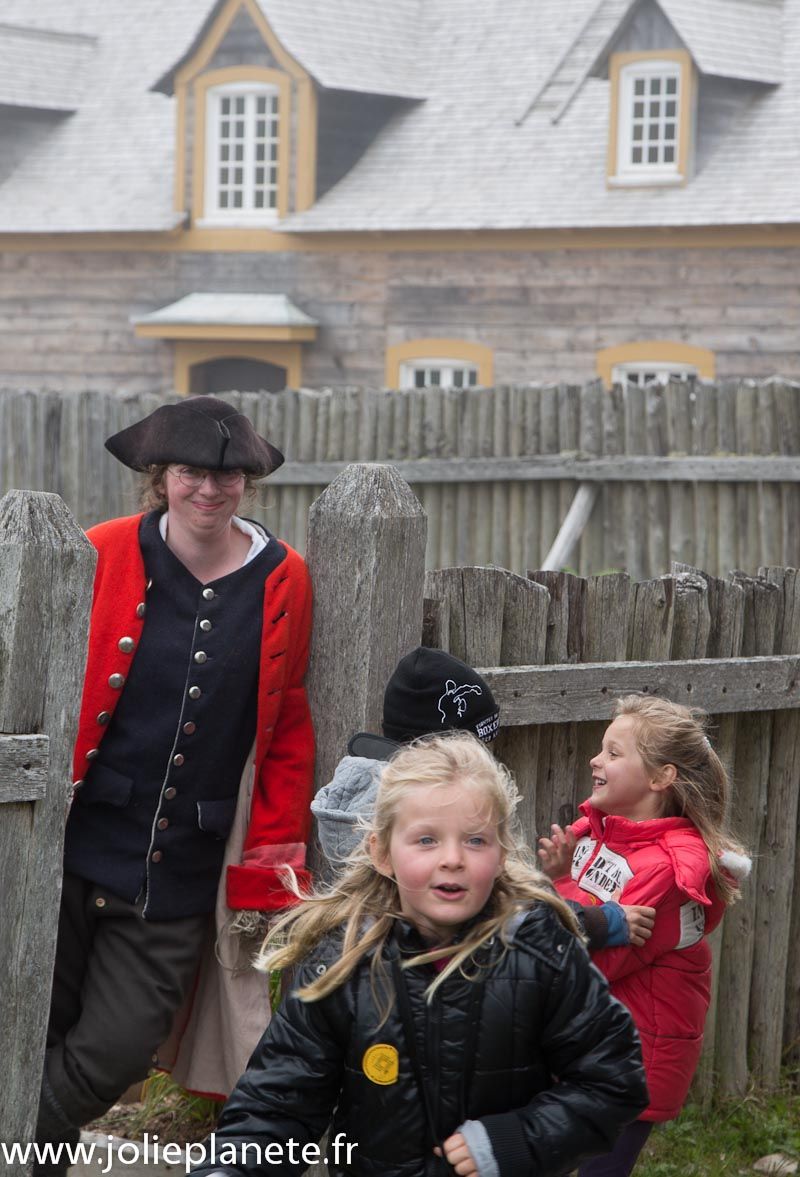
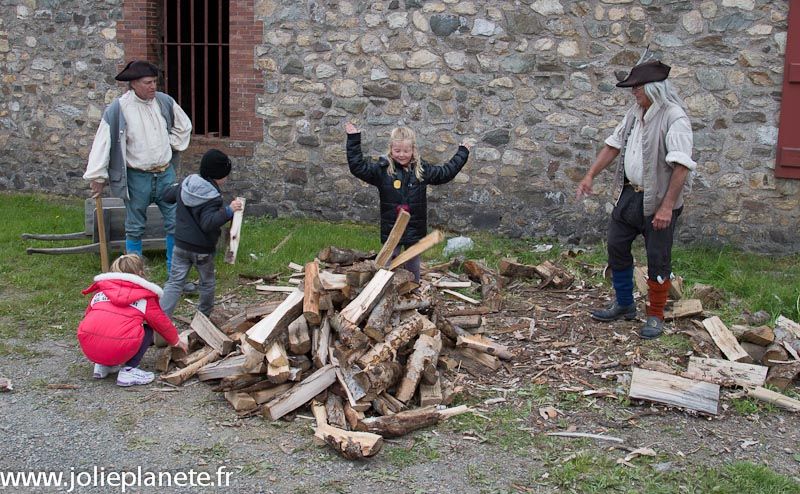
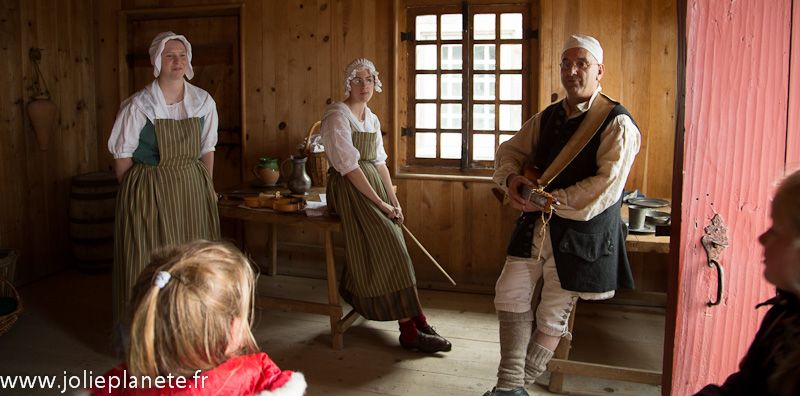
The kids are delighted: visiting the houses, the noon cannon shot, chatting (in French) with the guides in period costume.
Despite terrible fog, we make the most of it!
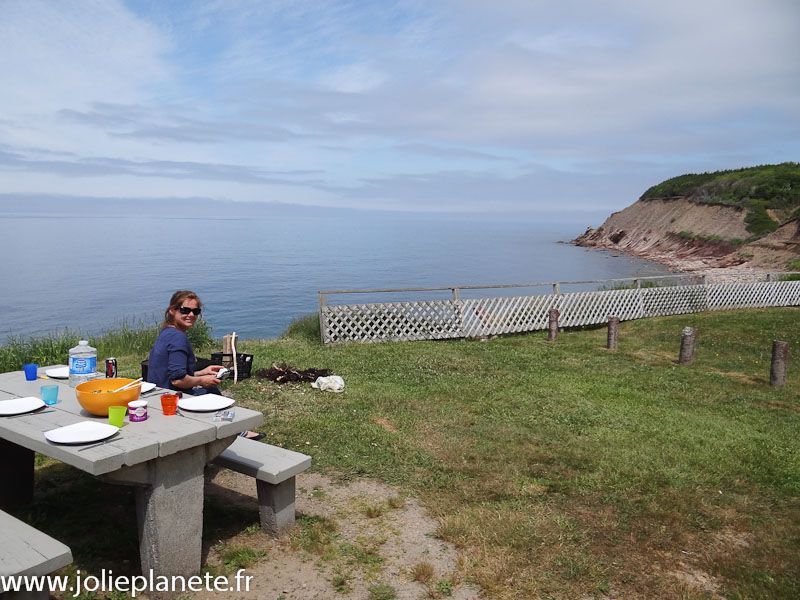
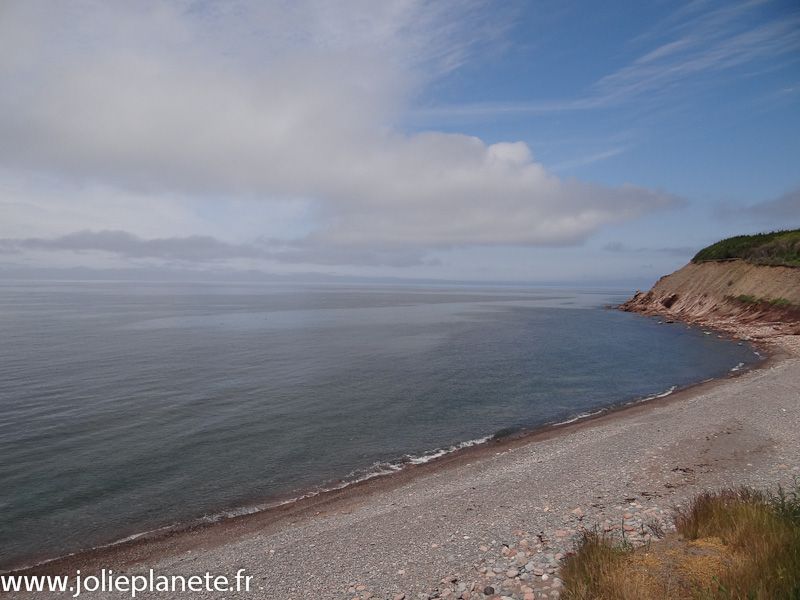
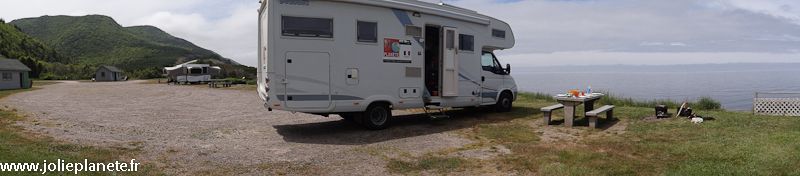
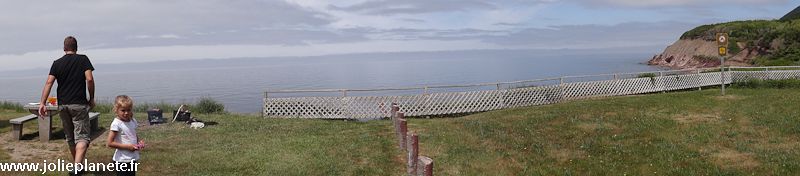
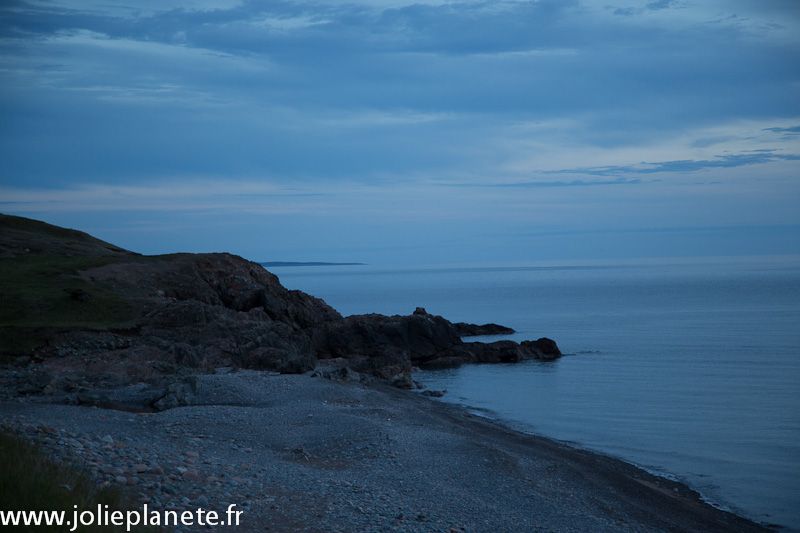
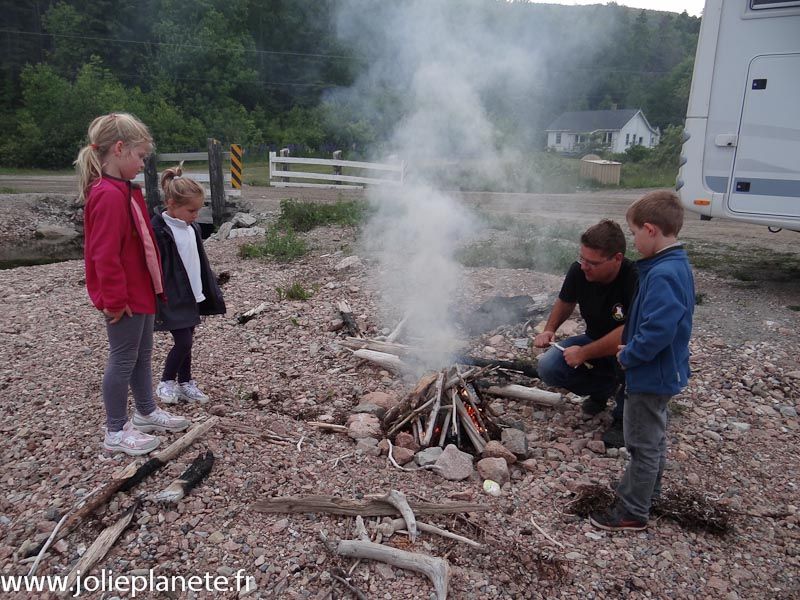
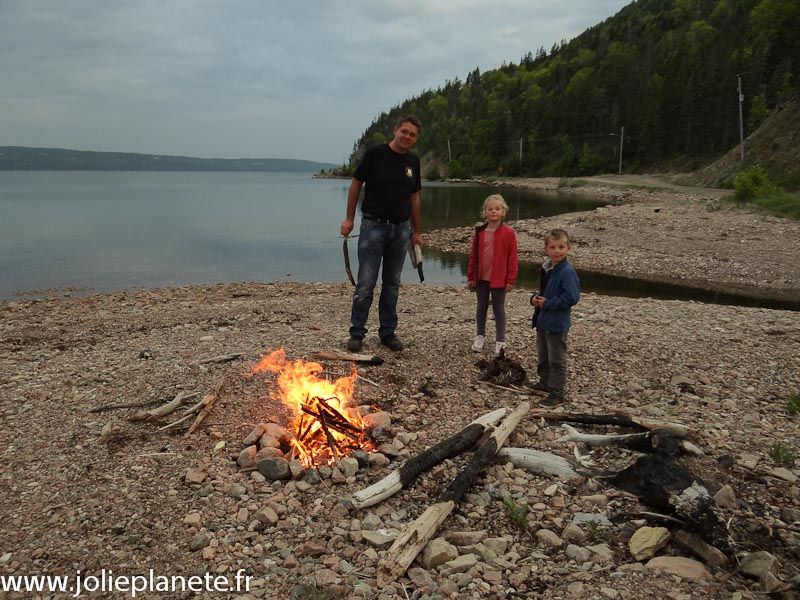
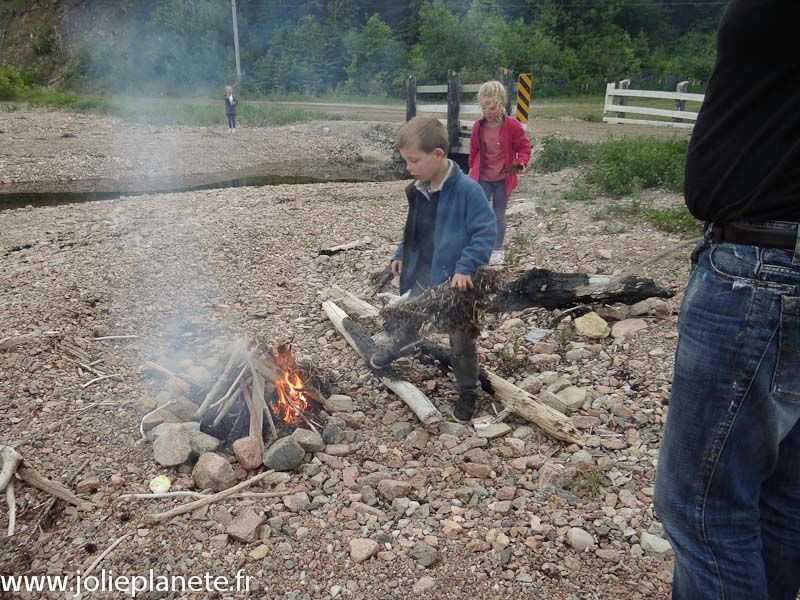
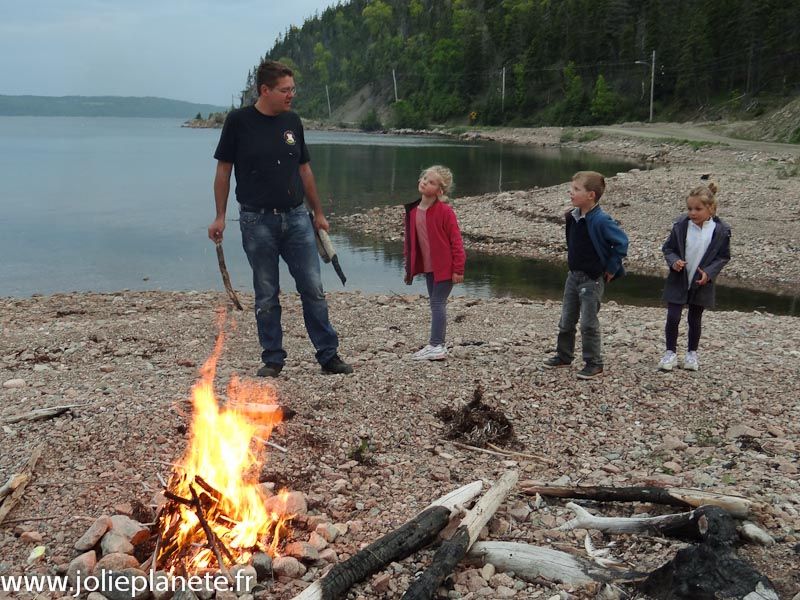
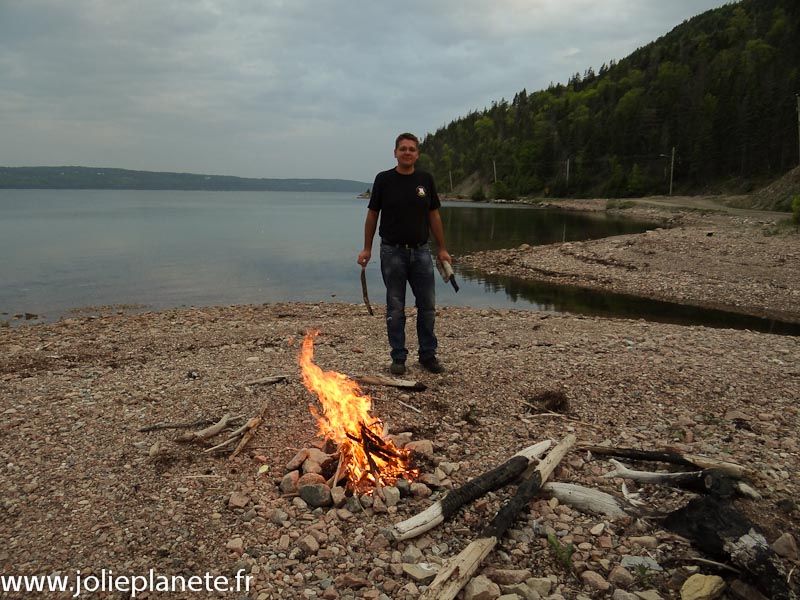
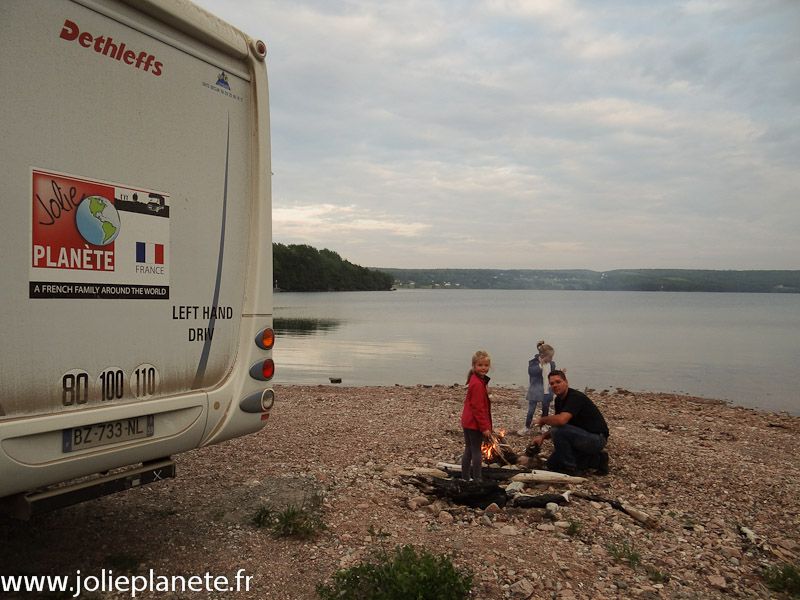
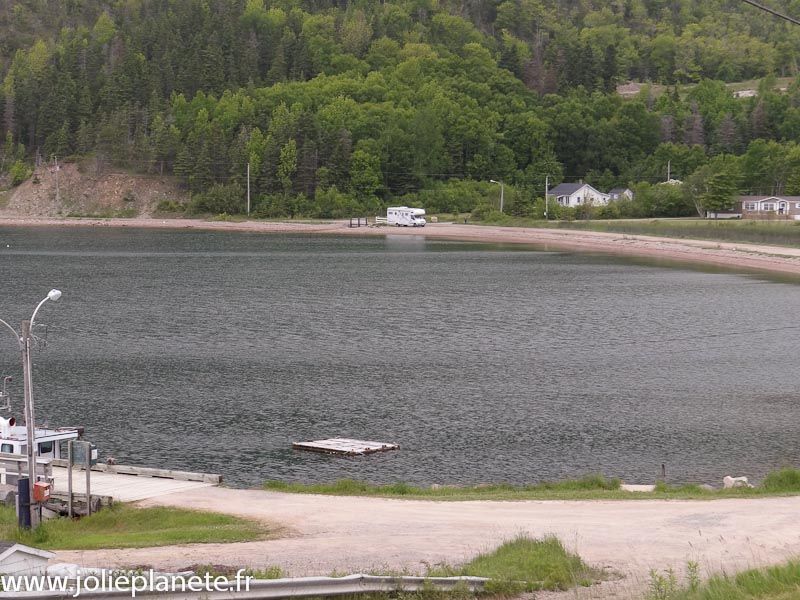
We get back in the RV for a 1-hour drive and, at the end of a 6-mile dirt road, stumble on an unlikely beach. This will be our first campfire.
Thanks to my brother Pierre for his teepee technique, which works like a charm. First cookout on the beach!
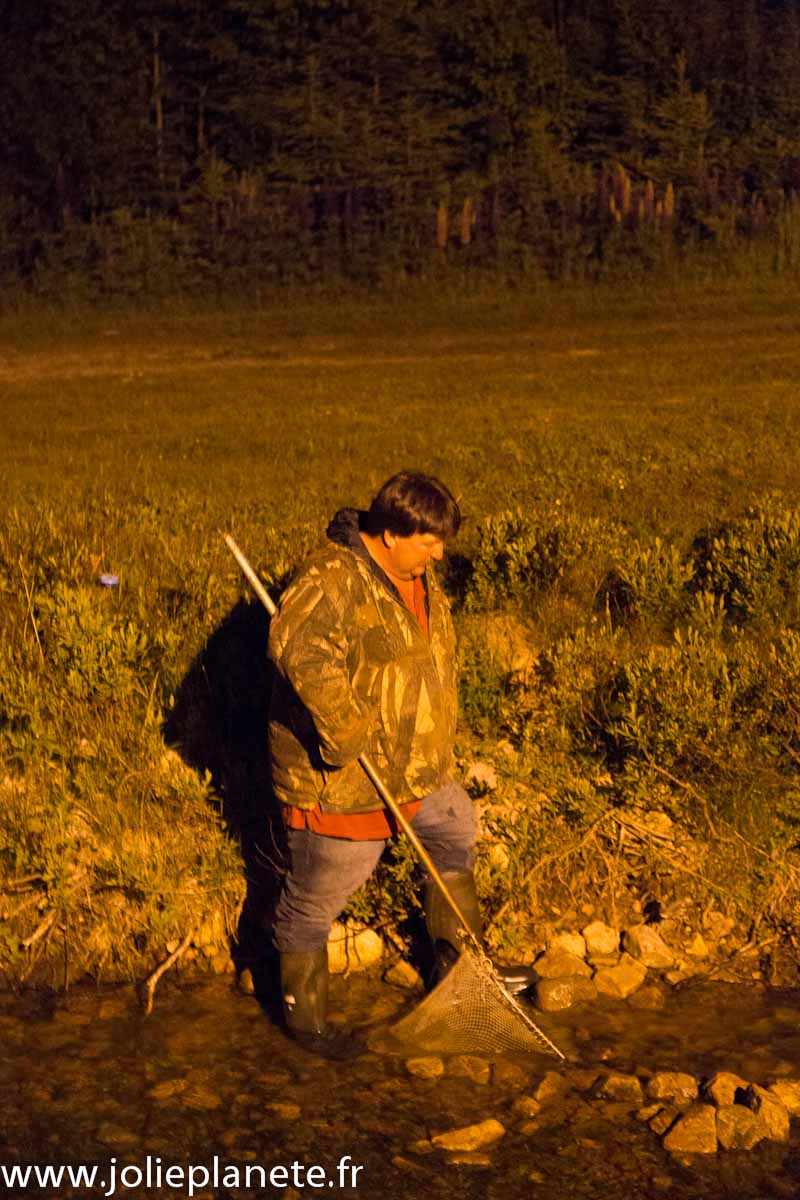
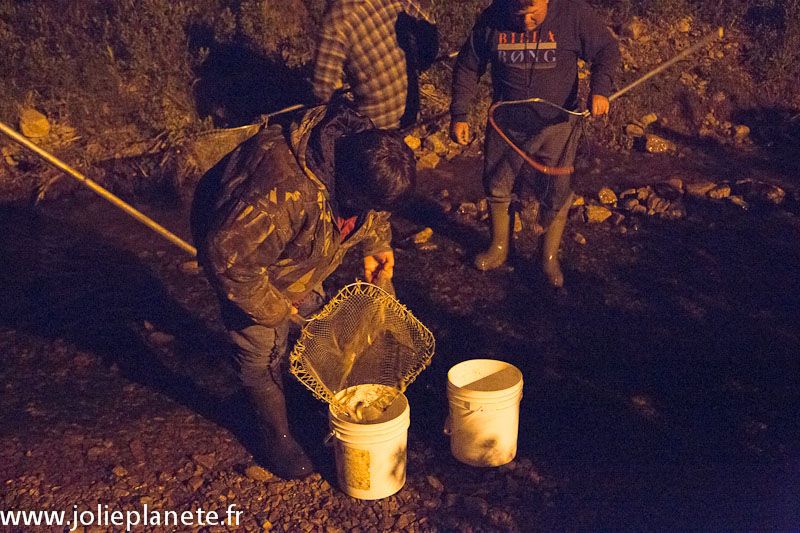
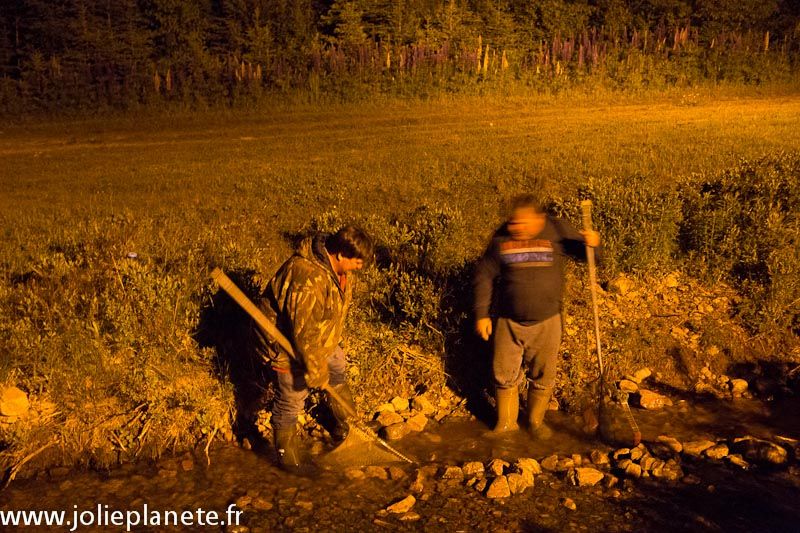
Around 11 p.m., we hear noises outside: it's fishermen who, using a (subtle?) technique, fill their buckets with fish using just 2 hand nets.
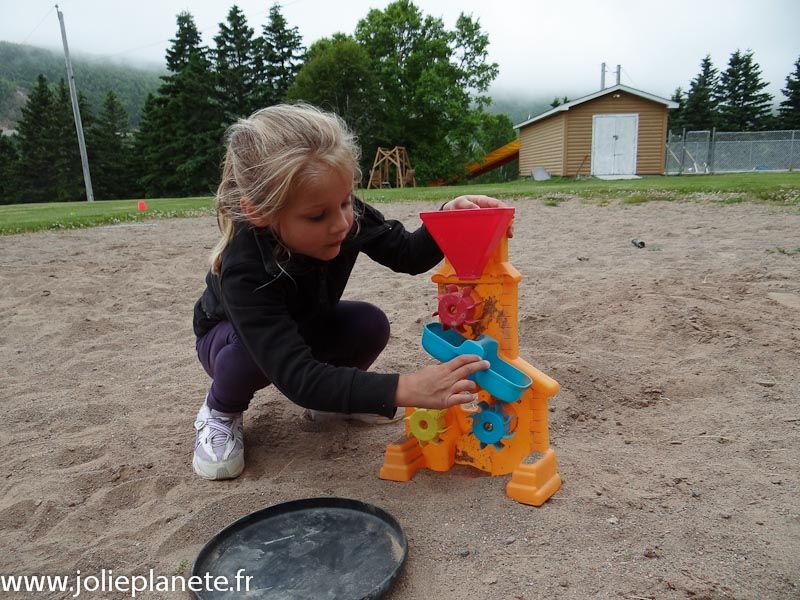
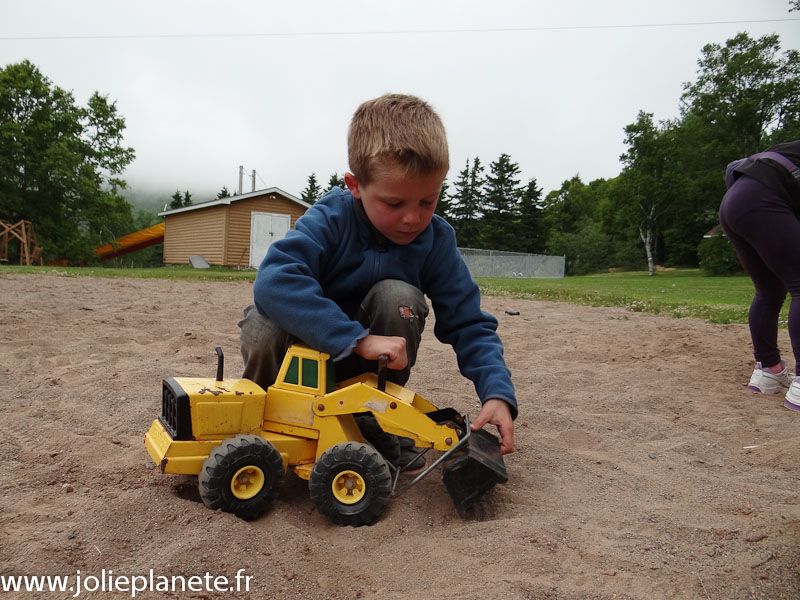
The next day, we meet the "Director" of a "Summer Camp" for Canadian kids. The guy is under 30.
4 p.m. All the staff leave the camp. He leaves us the keys to his laundry room, trusting us completely. Unthinkable in France!
We take the opportunity to fill up our water tank for the first time and run 3 big loads of dirty laundry!
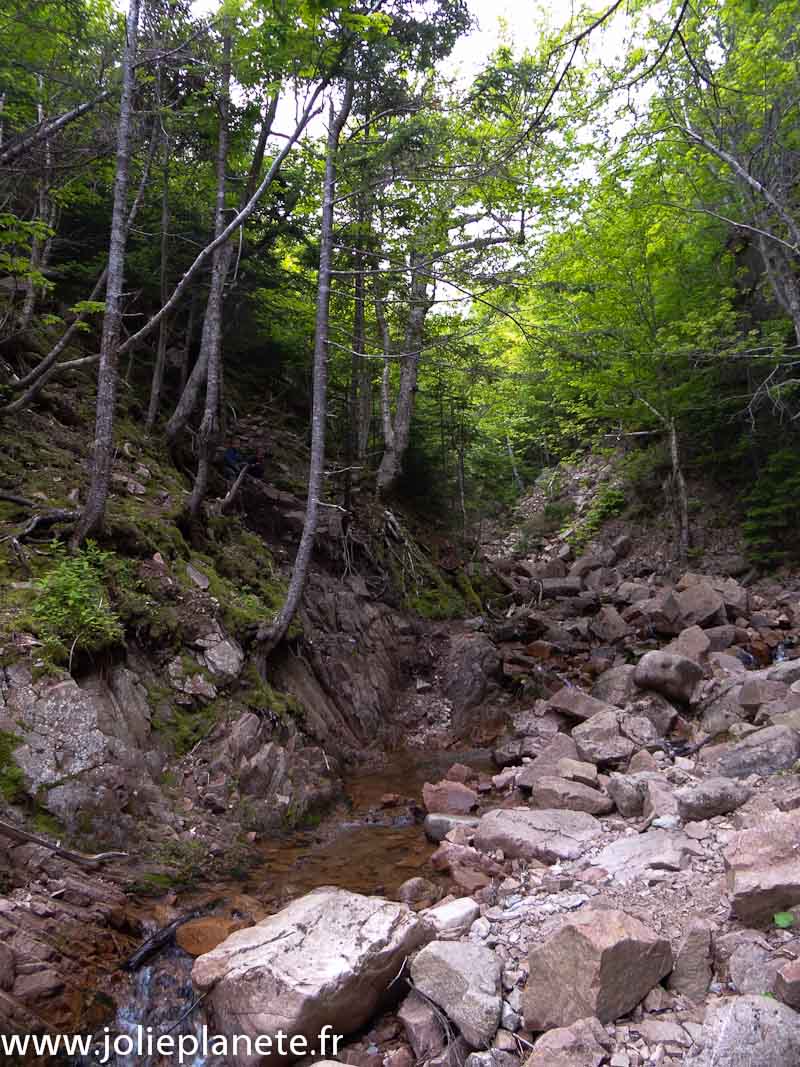
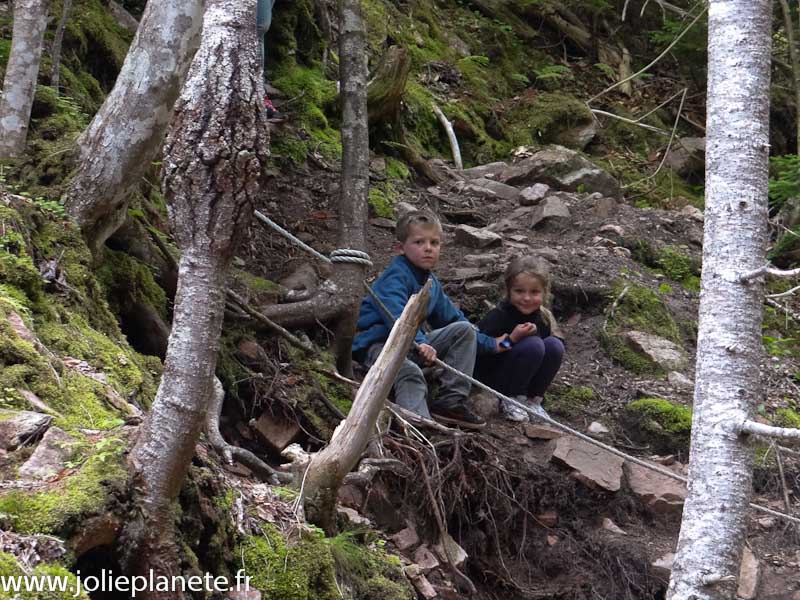
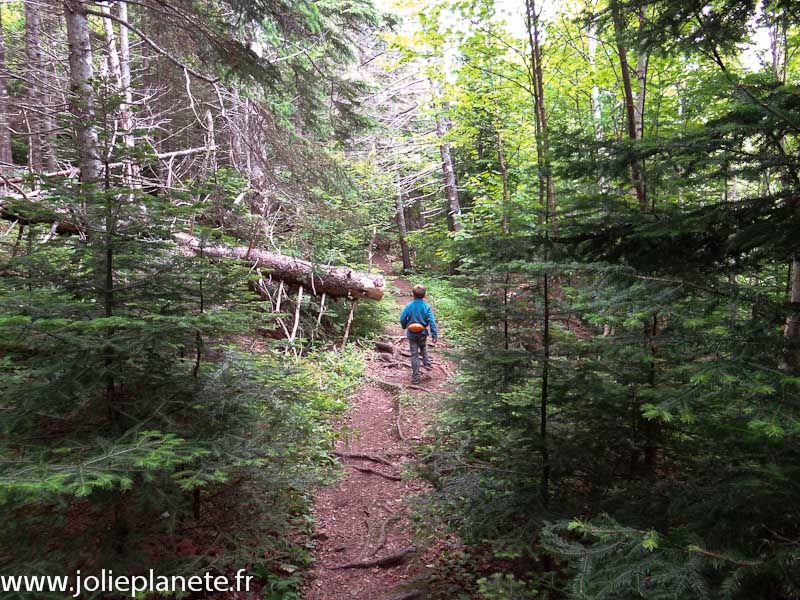
On the young Director's advice, we head out for an hour-long hike through the (super dense) forest, right by the sea. The kids follow along eagerly. It's nice to see them so motivated. Unthinkable in France!
Cape Breton Highlands National Park
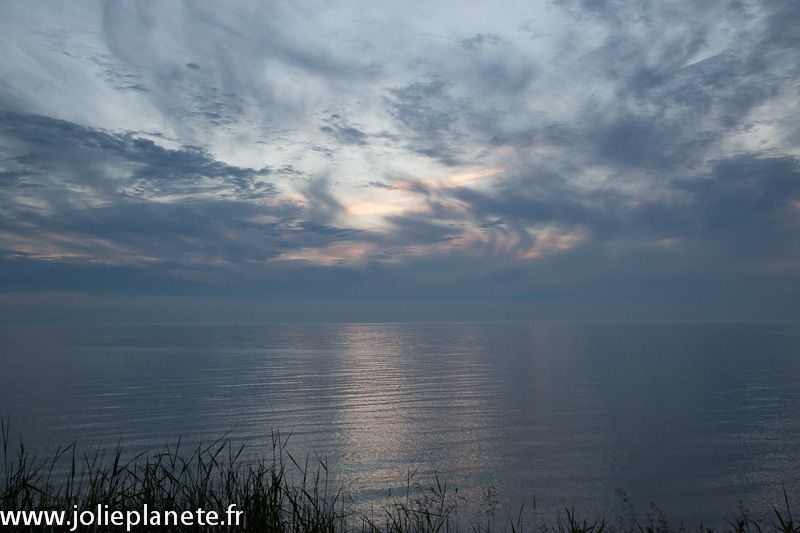
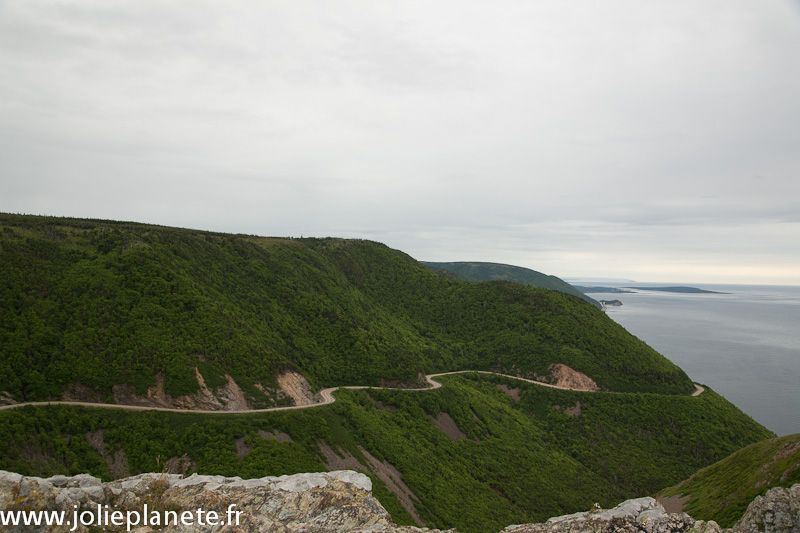
Off to our first National Park in Canada.We take the famous Cabot Trail to Chéticamp, a small village at the park's western entrance. It's our first night in an "official" campground since arriving in Canada: we get a "dream" spot. Even though the water is 57°F, we enjoy a breathtaking view of the Ocean, and the kids spot seals offshore (Thanks, Grandma and Grandpa, for lending us your binoculars!!!)
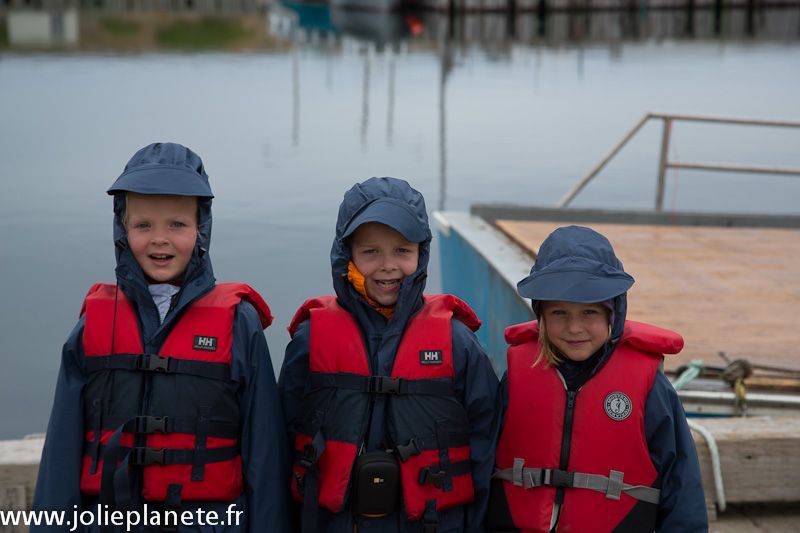
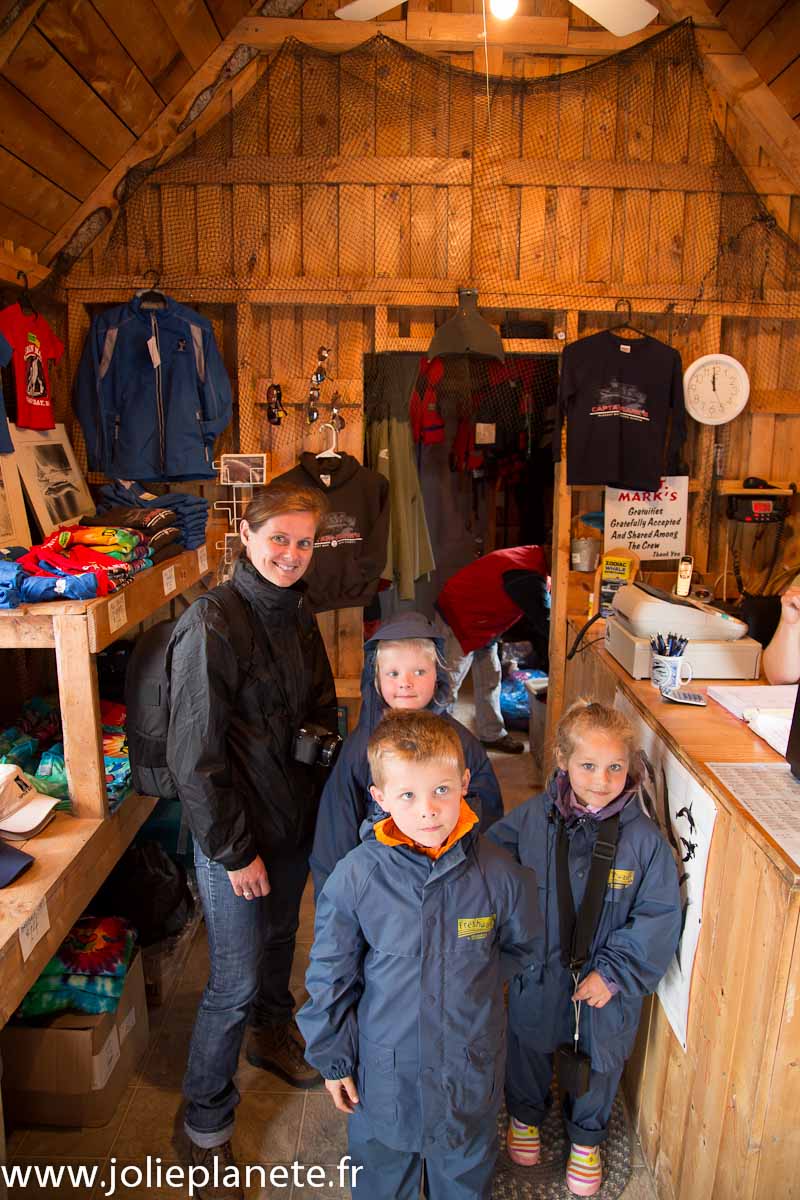
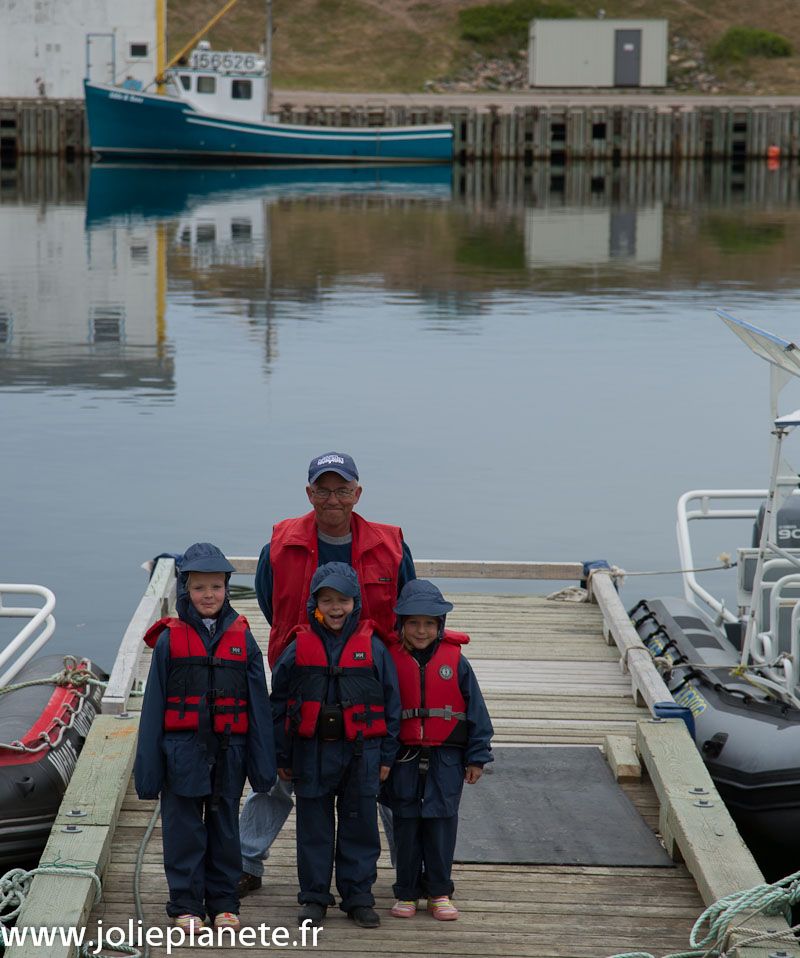
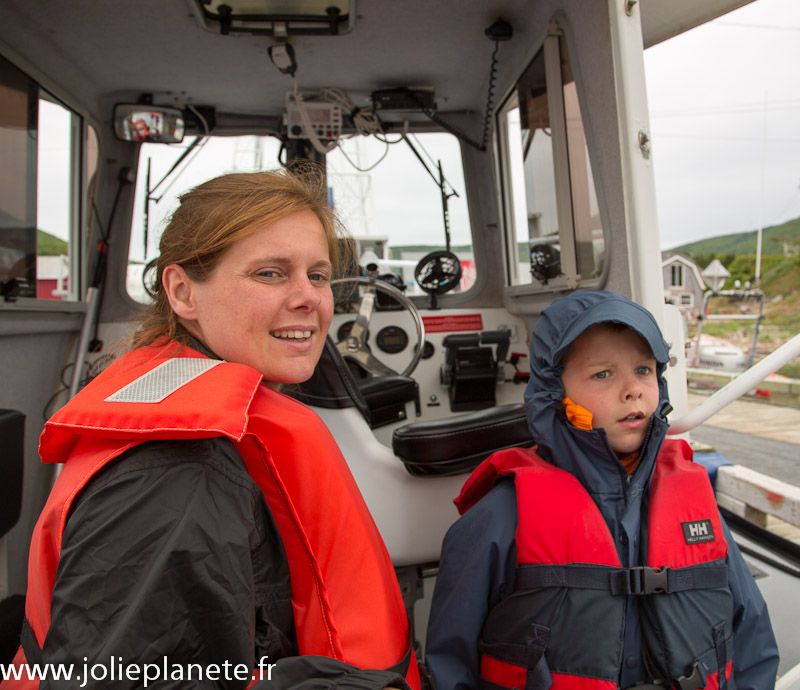
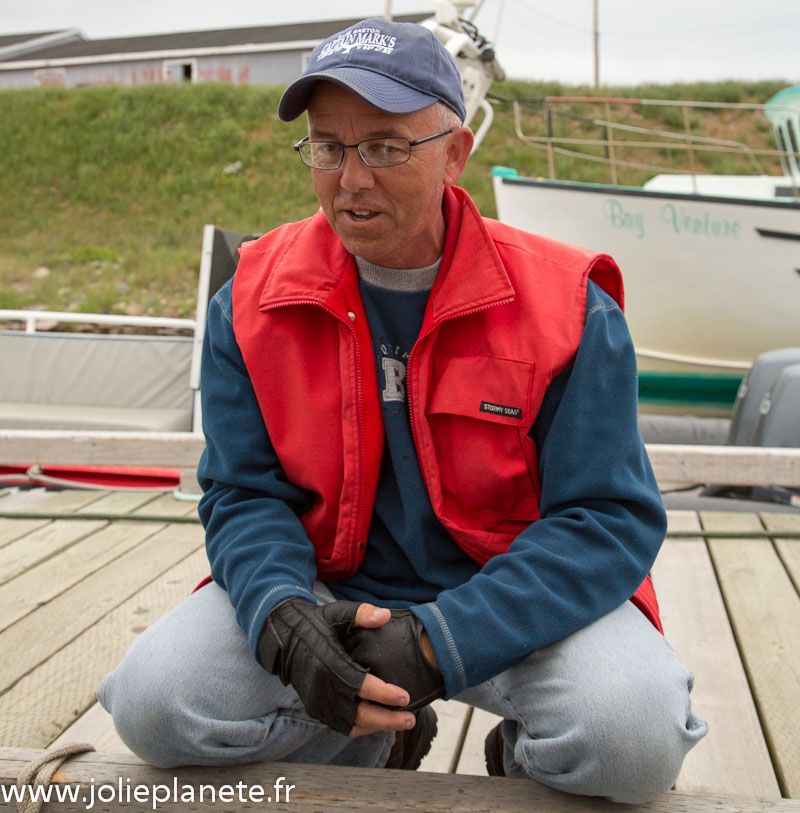
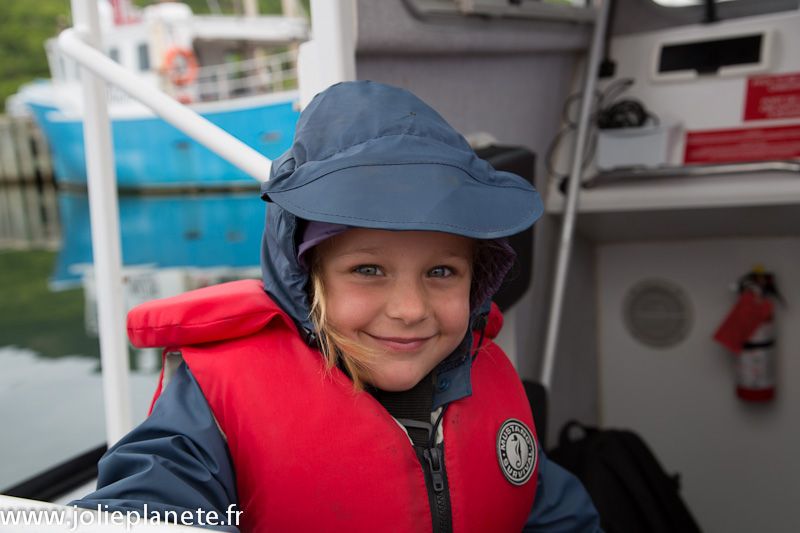
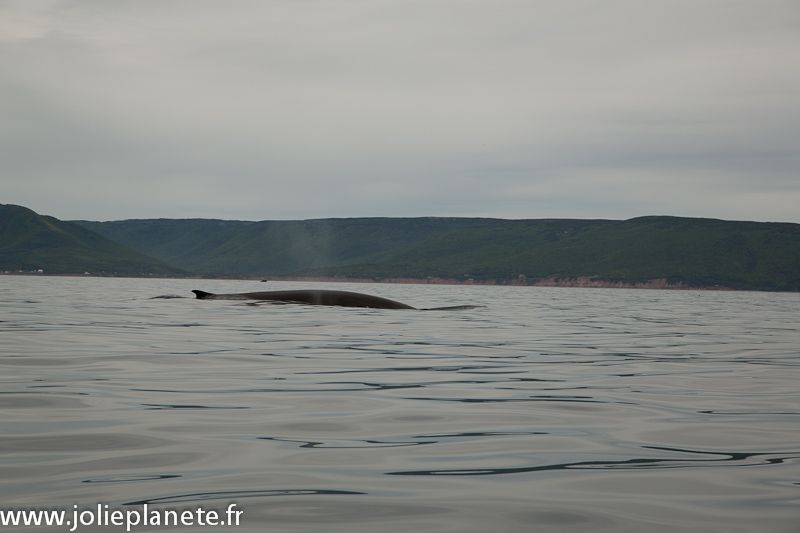
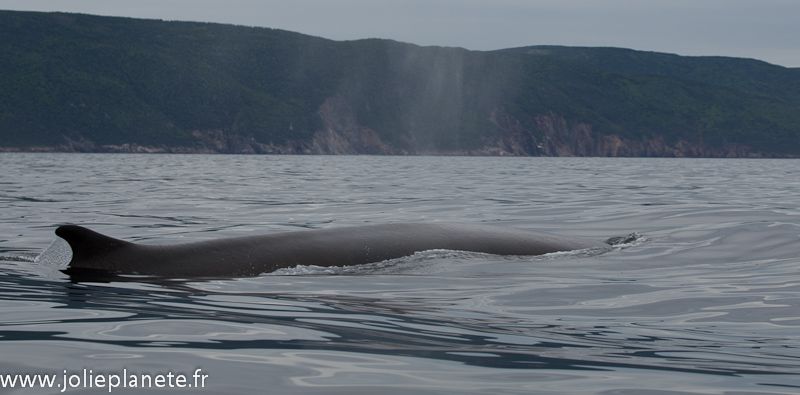
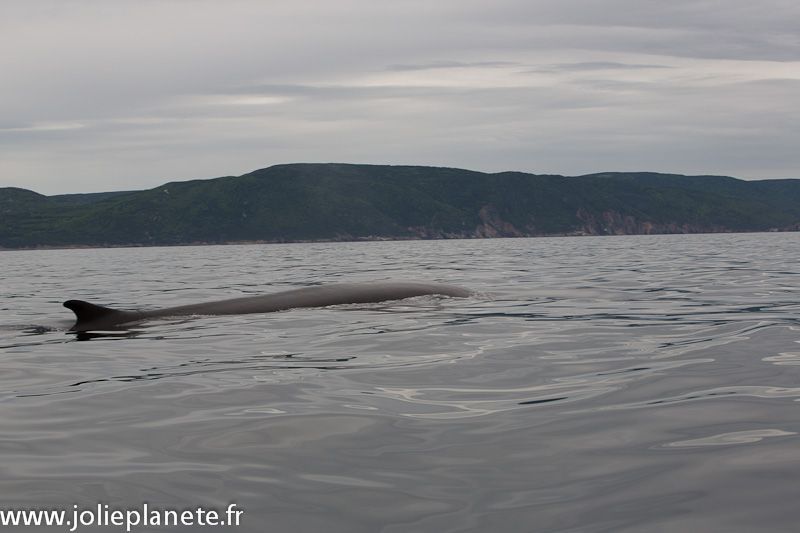
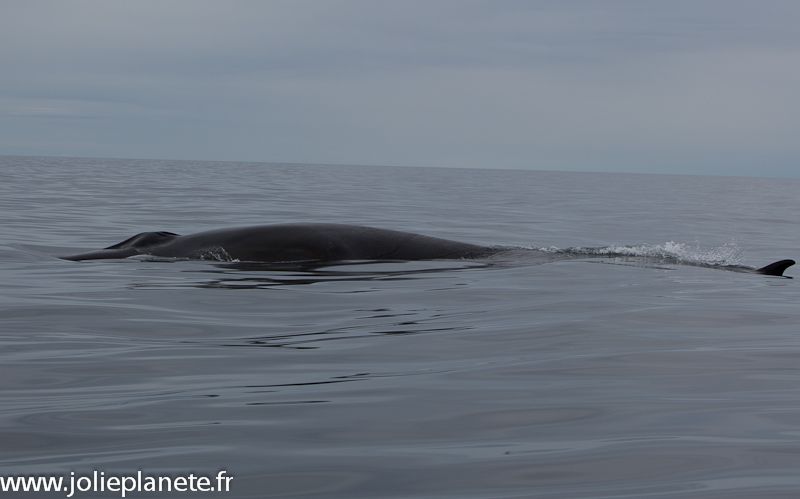
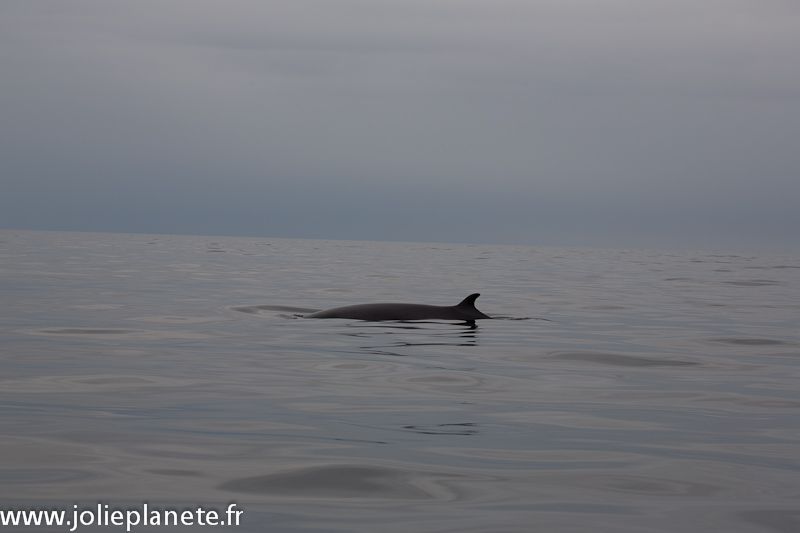
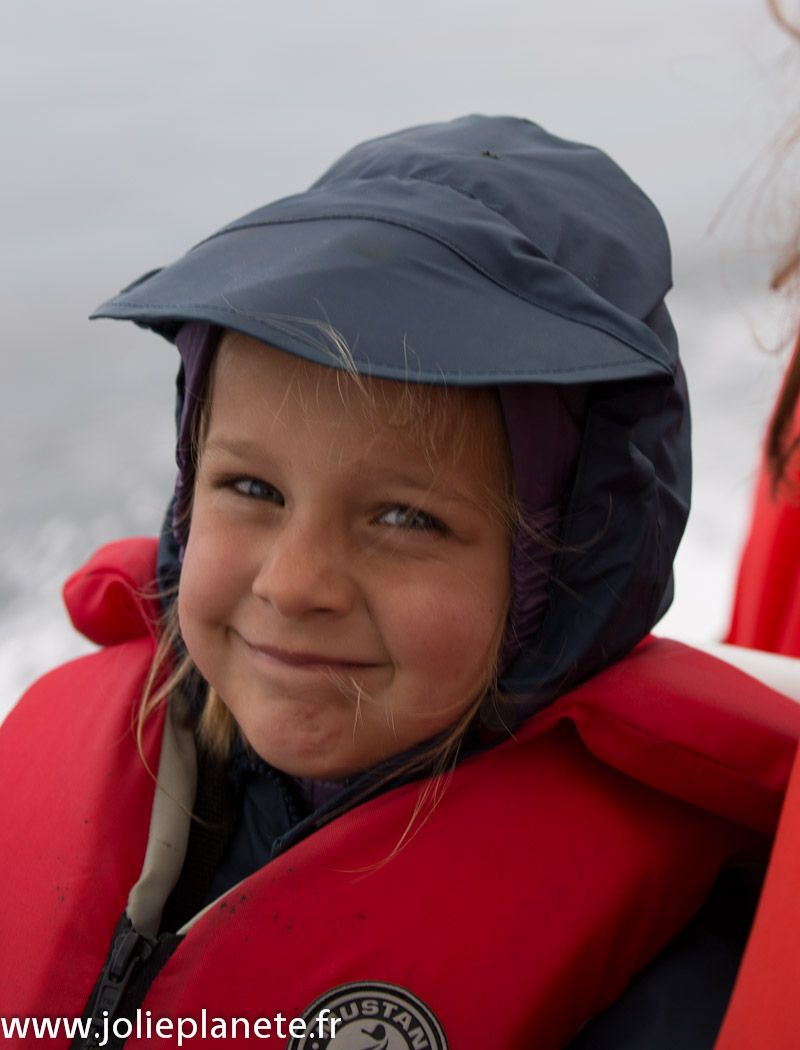
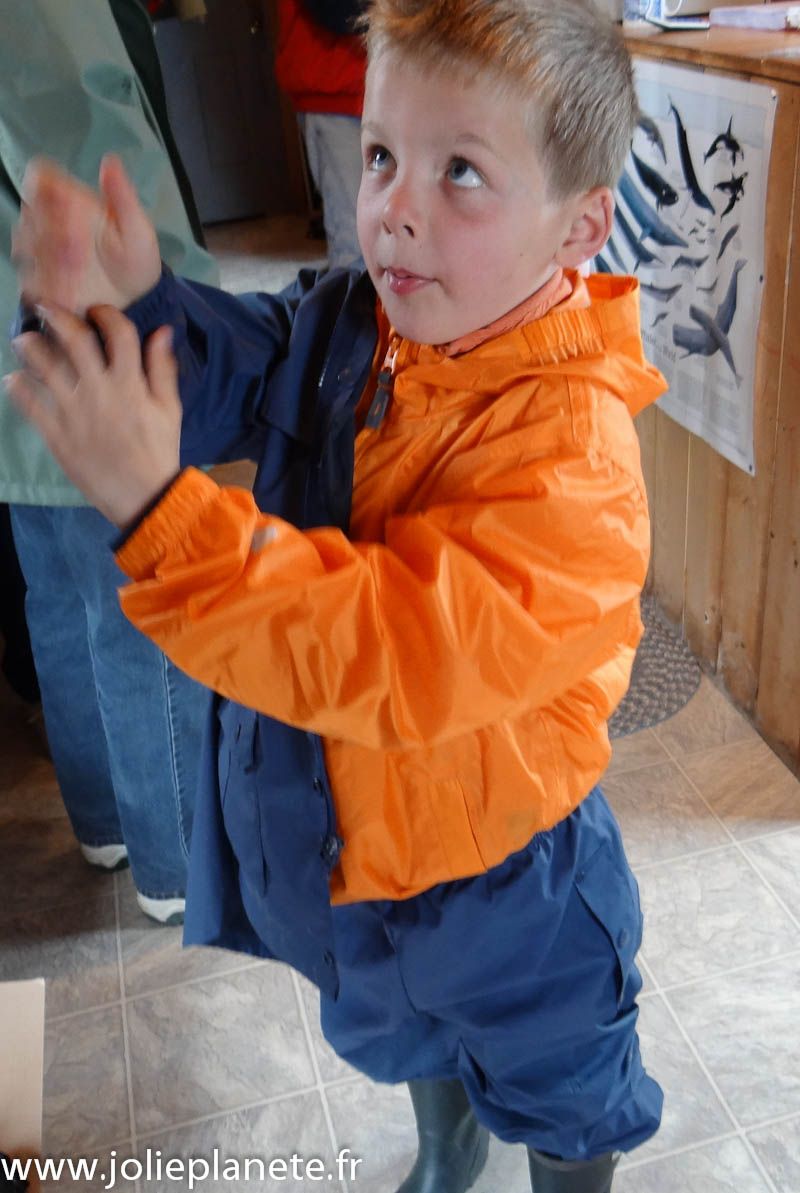
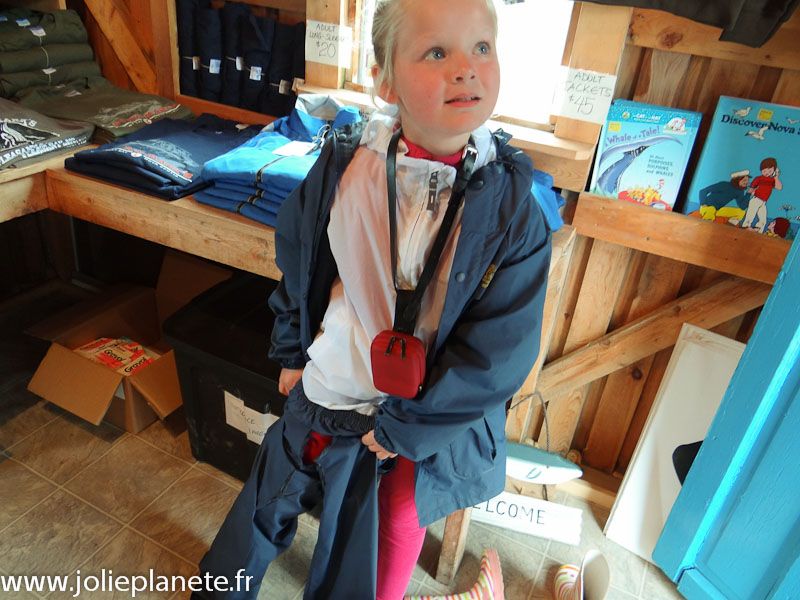
The next day, off to Pleasant Bay to go Whale Watching! We spend 2 hours aboard the Zodiac of Gilles, our Captain for the day, and mostly see fin whales: 85 feet long, an average speed of 22 mph and a life expectancy of 90 years. It's the second-largest animal alive on the planet, and it's less than 30 feet from our little boat… So far, so good!
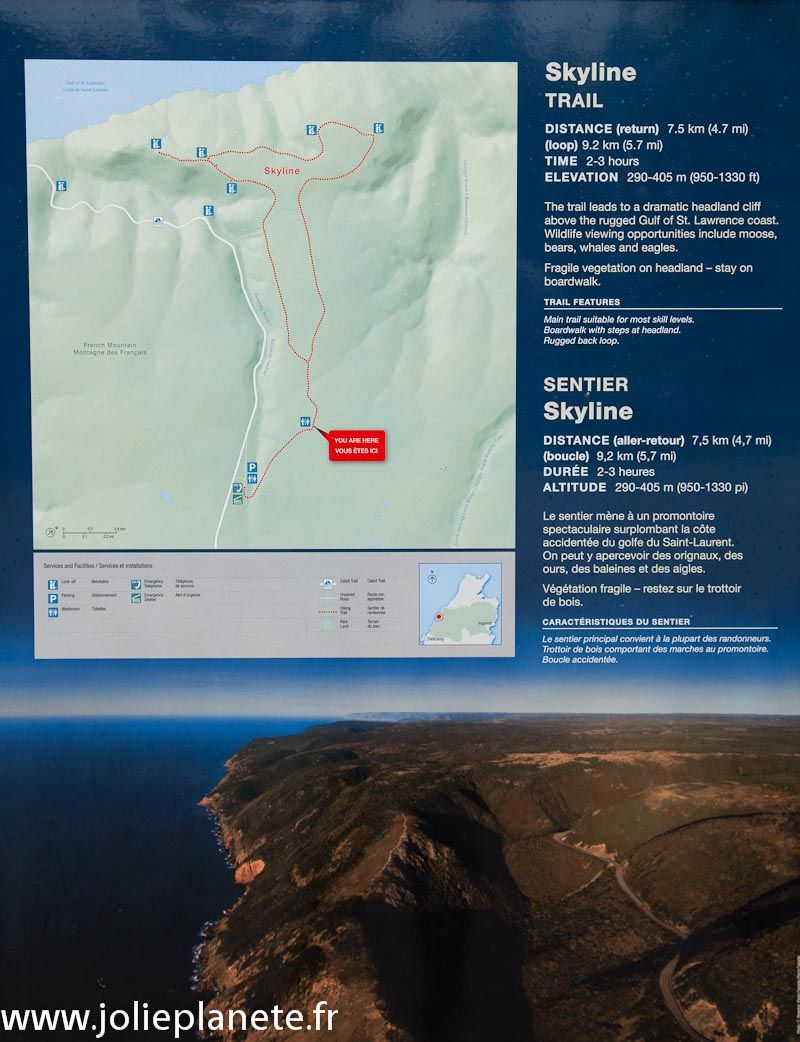
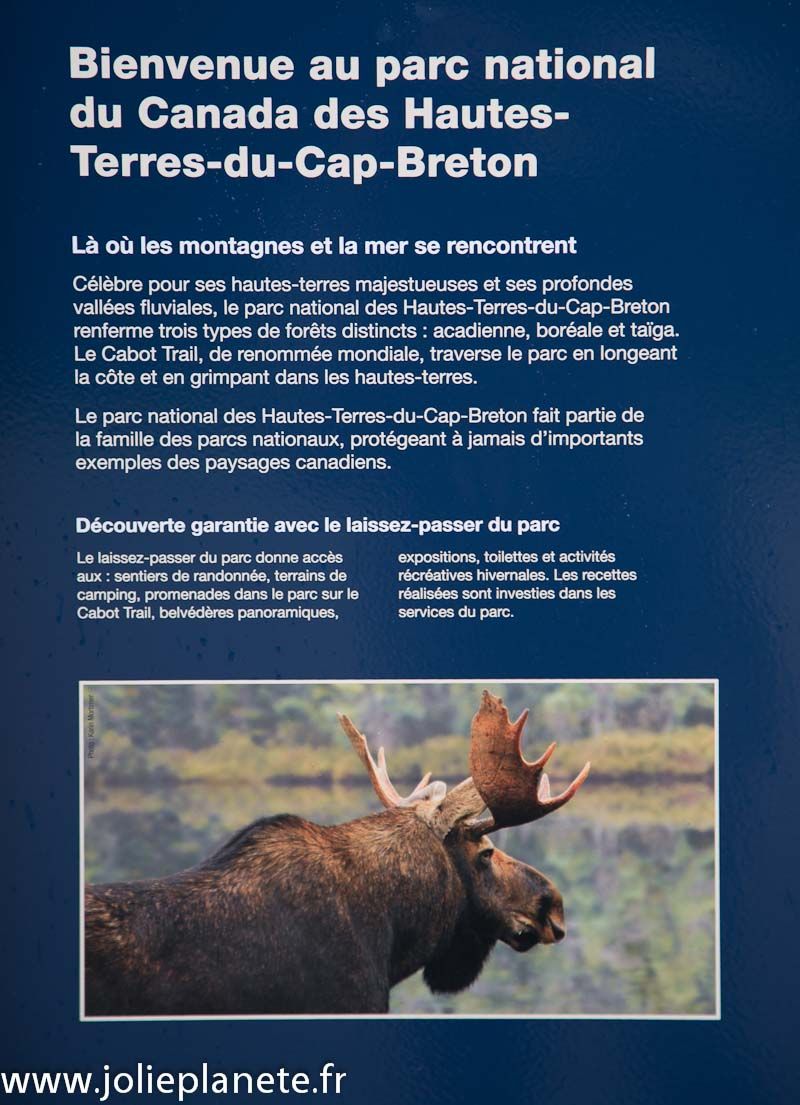
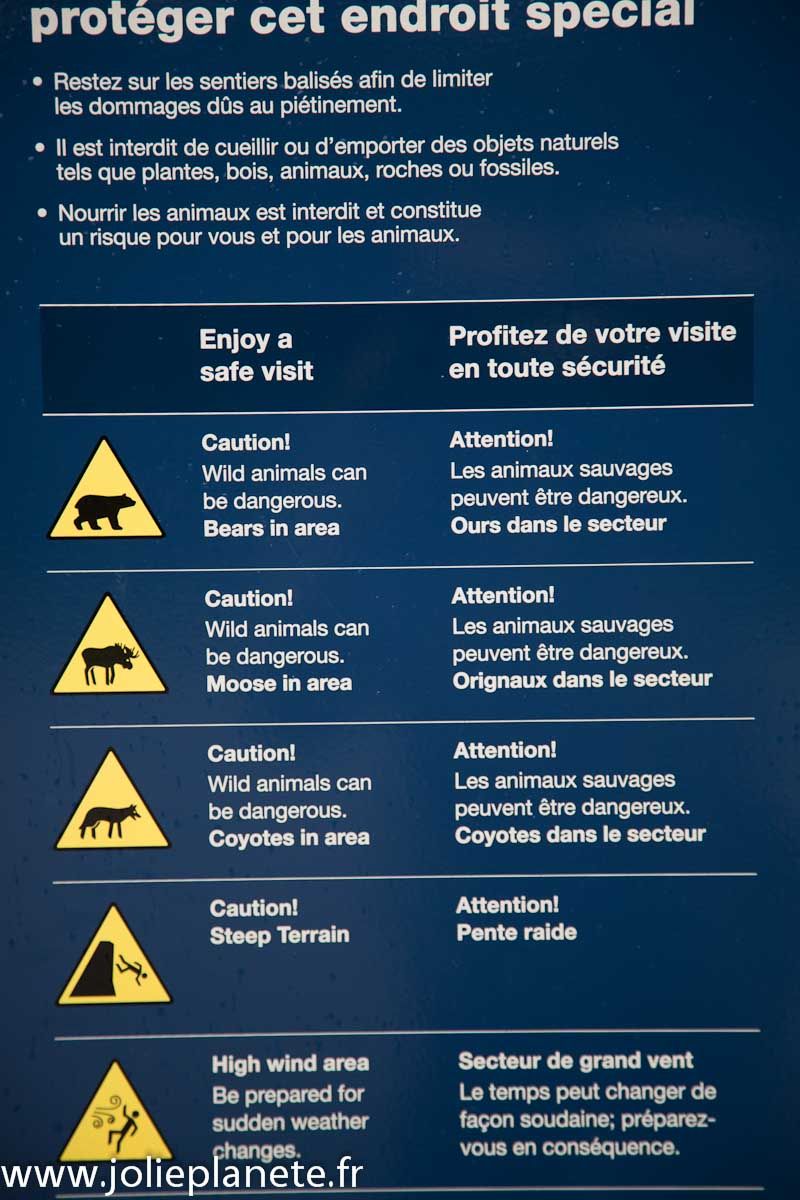
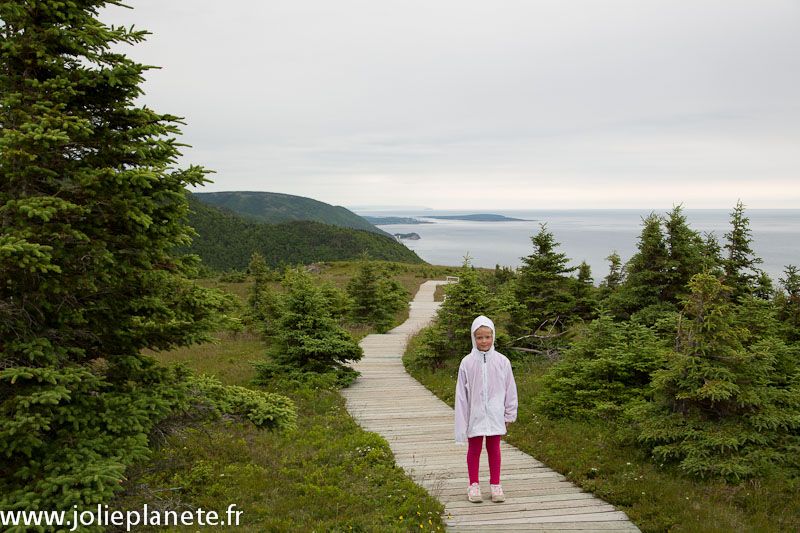
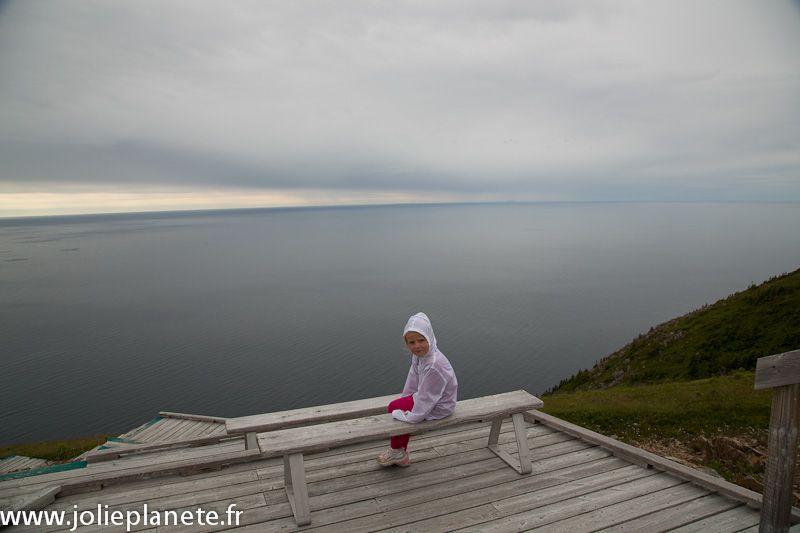
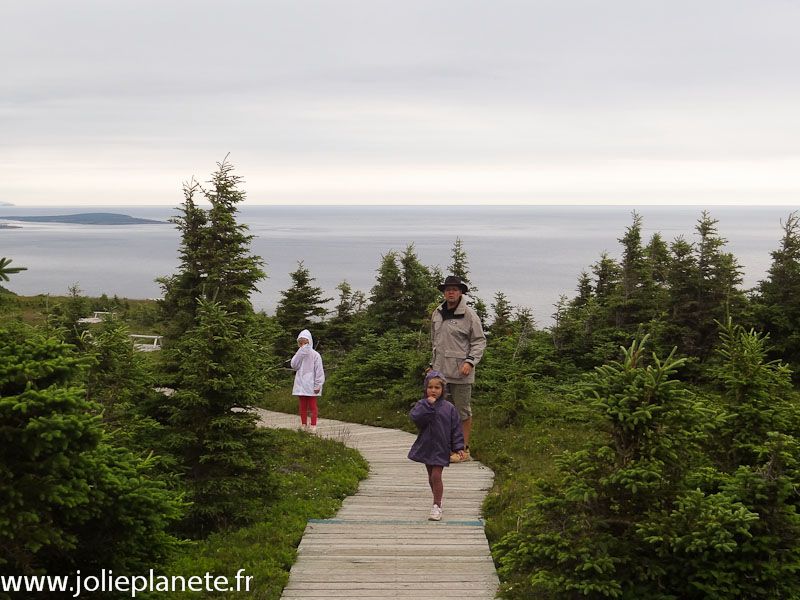
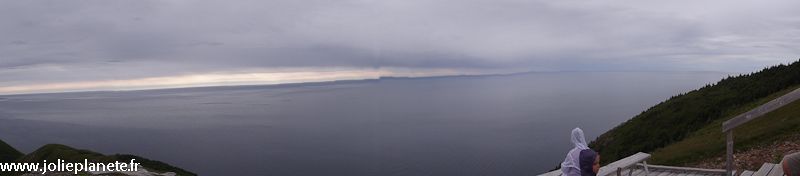
We wrap up the day with a big hike, the SKYLINE Trail, which promises Coyotes, Bears and Moose.
And we Guyots are just that good!
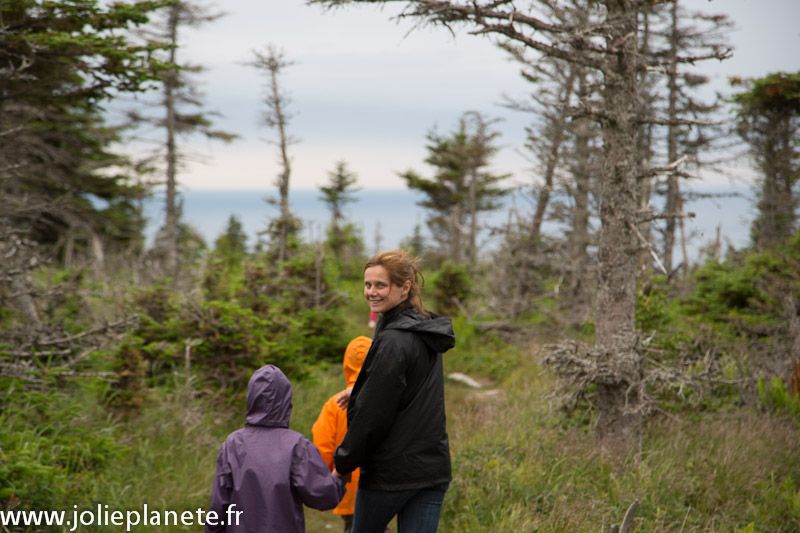
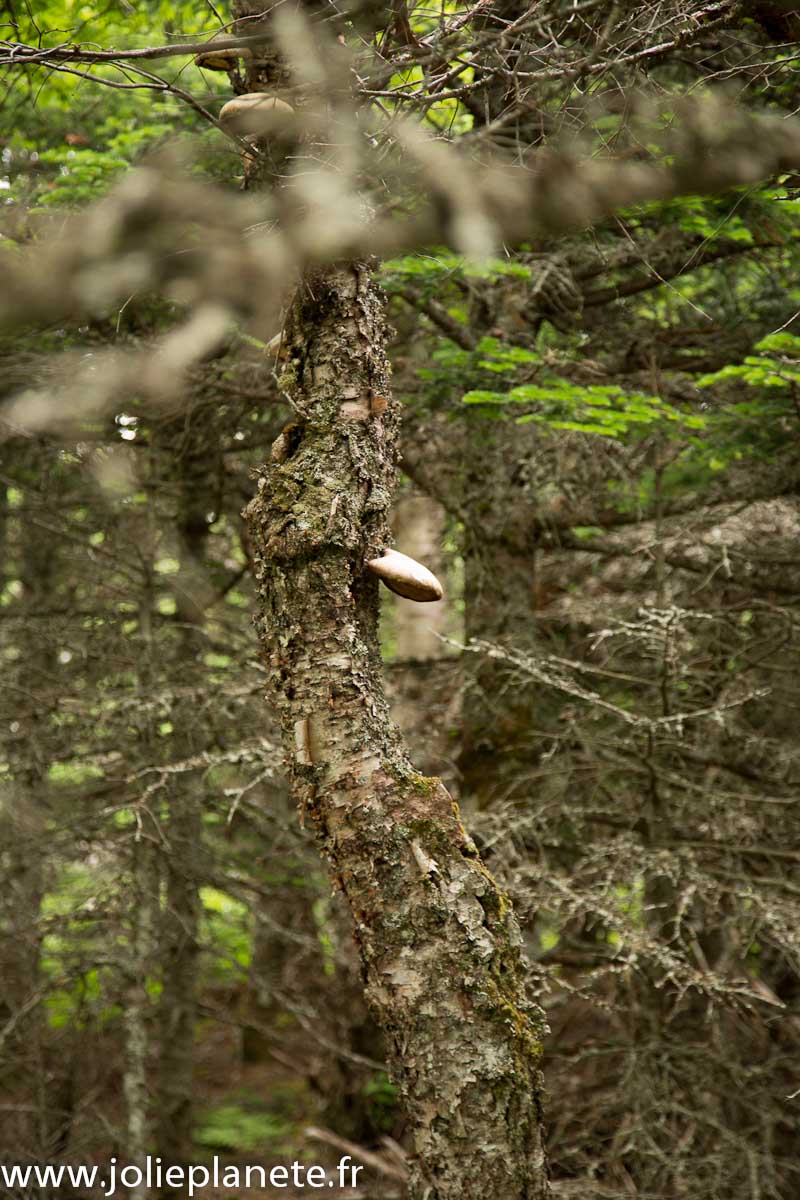
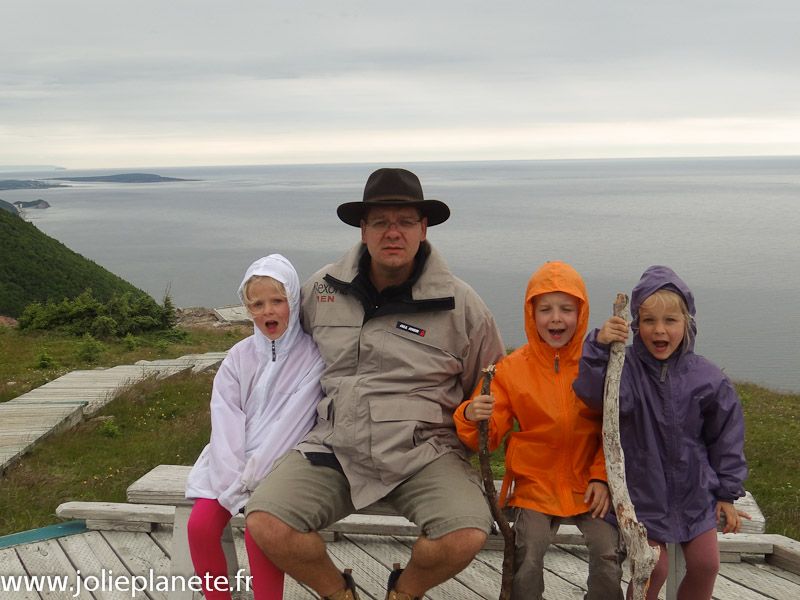
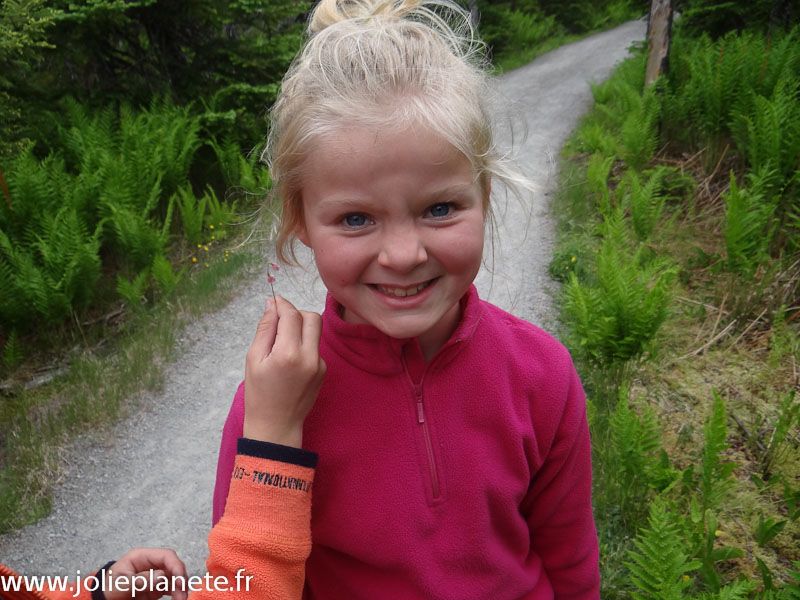
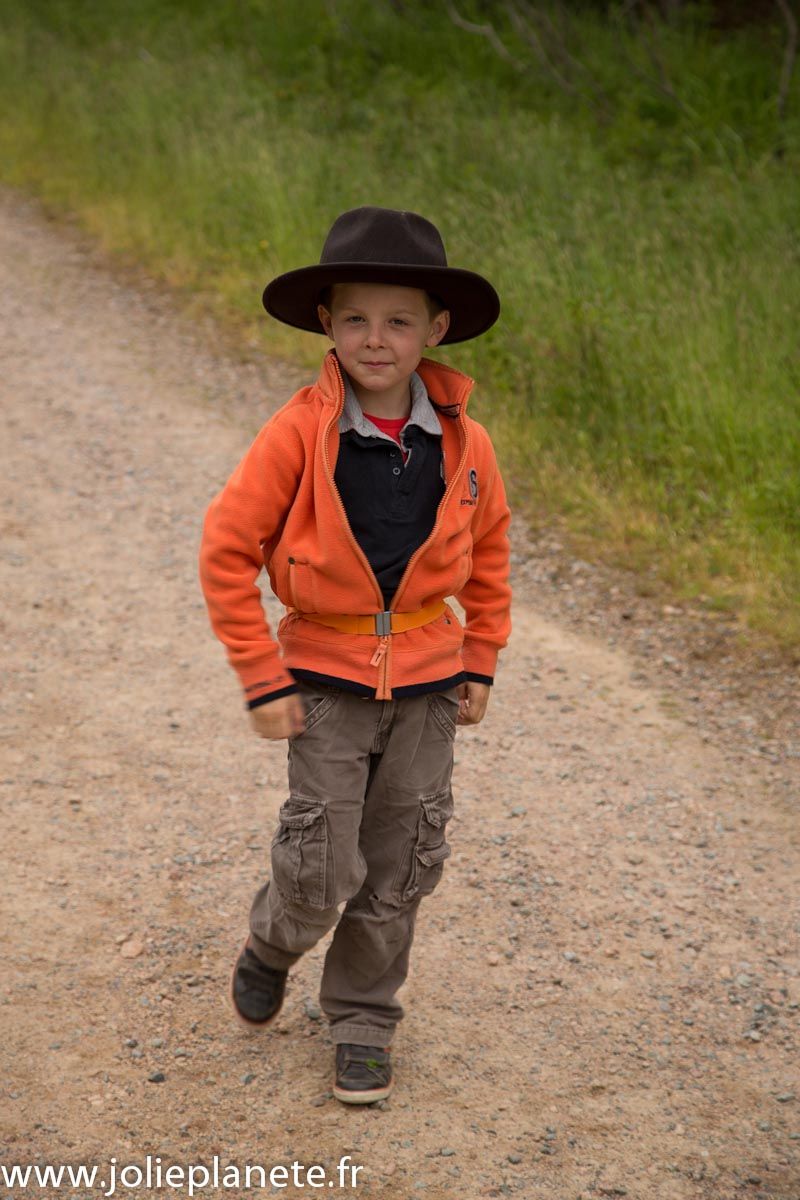
We manage to get the 3 little monsters to walk 4.7 miles and discover… a few plants!
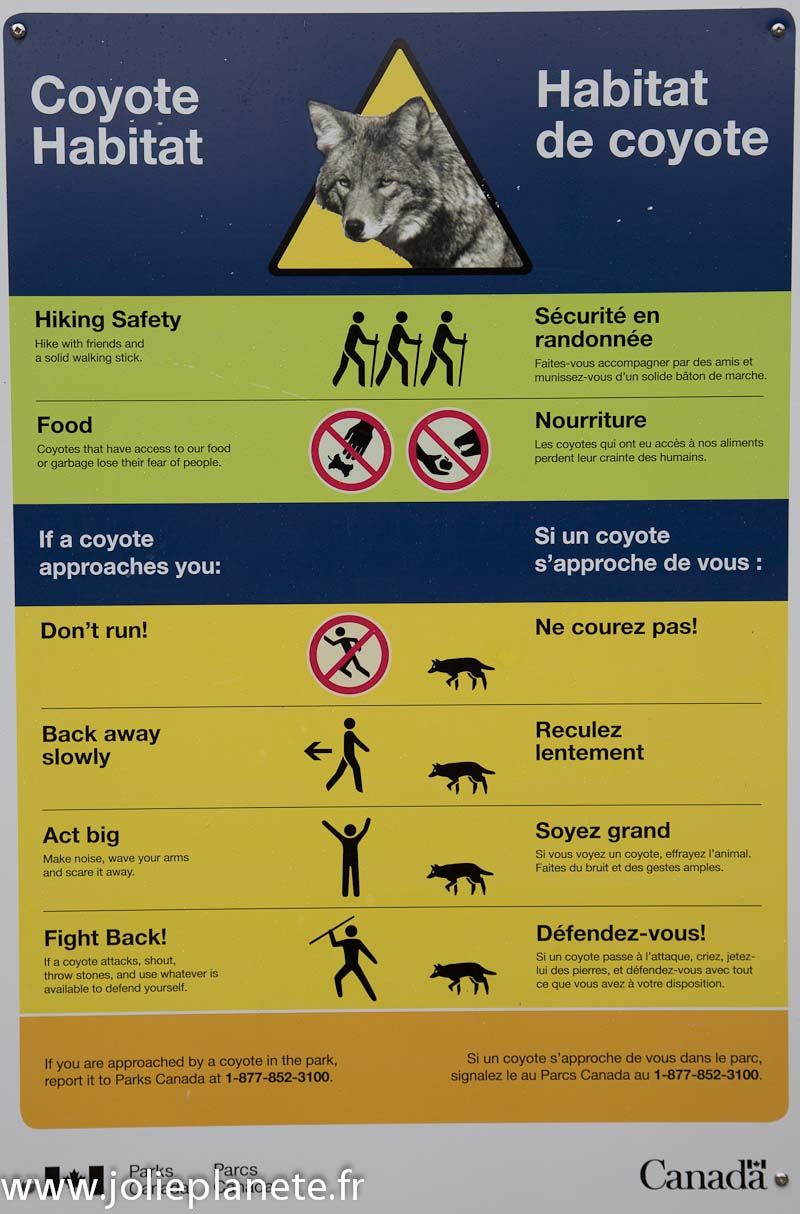
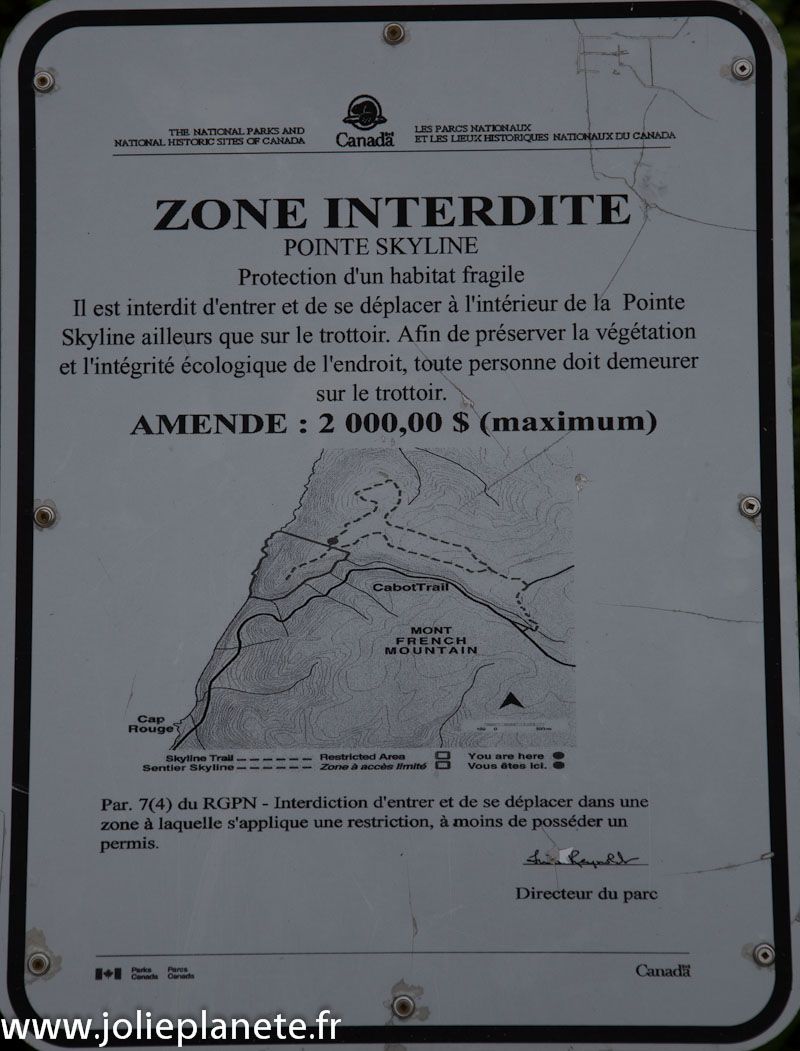
Not a single critter in sight. No coyote, much to the dismay of Alexandre and Juliette, who had filled their pockets with big rocks (see the photo of the sign to understand how to defend yourself in case of attack).
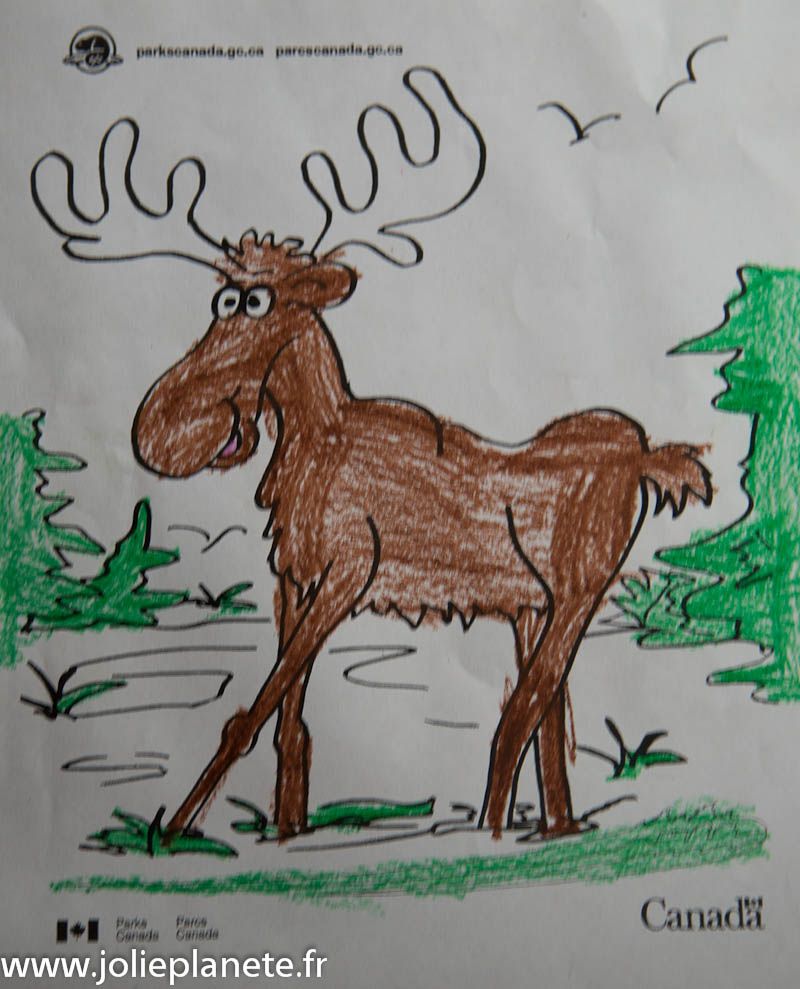
Still, here's Alice's superb moose coloring page, our trophy for the day!
We do run into some (practically invisible) black flies that love biting warm-blooded bodies (meaning us!).
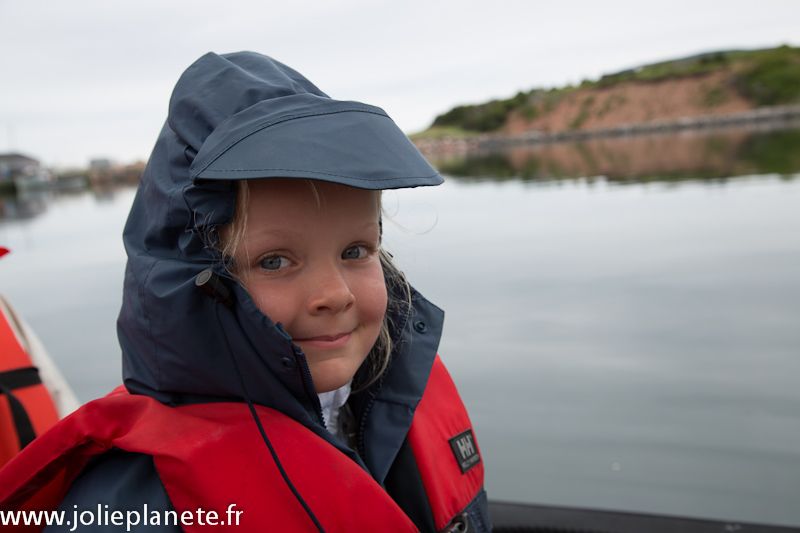
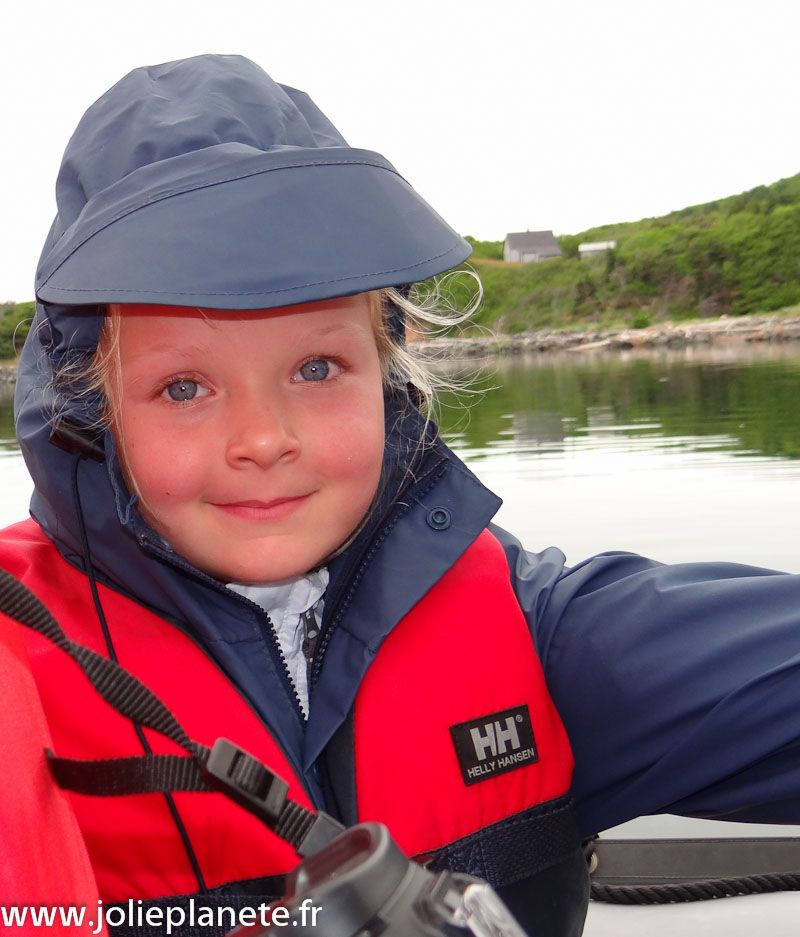
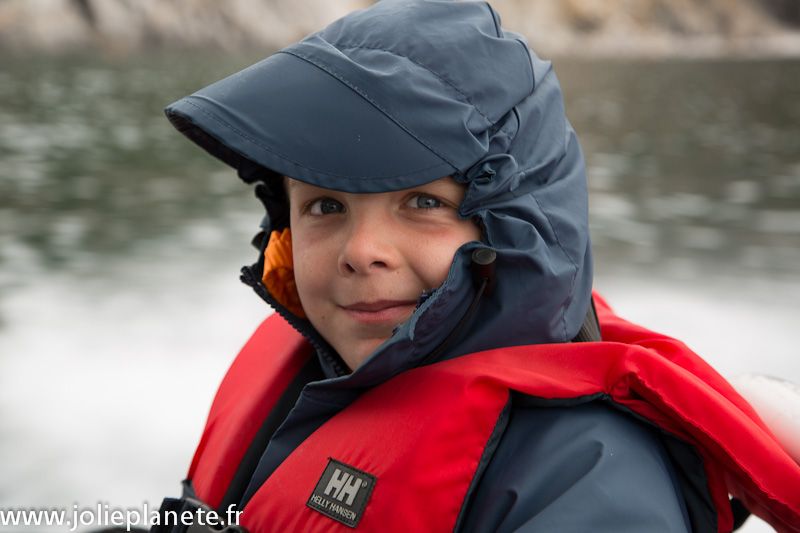
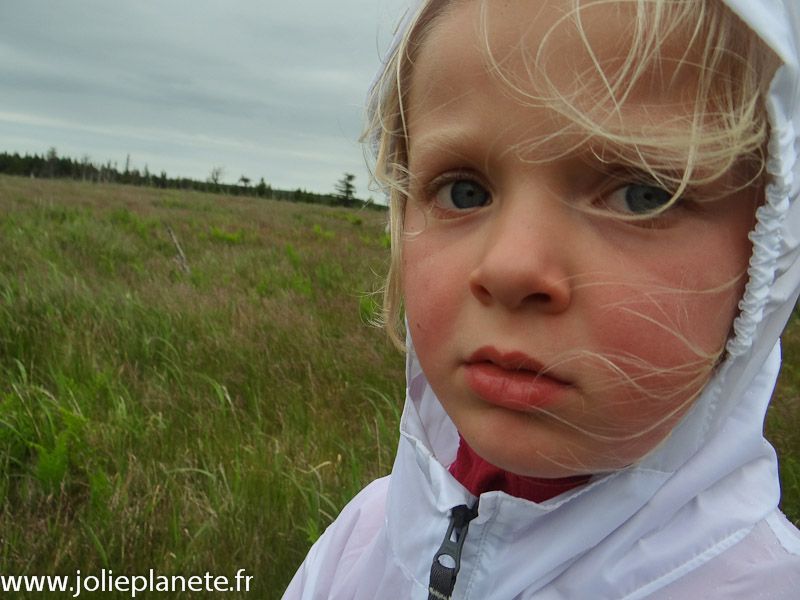
So, like good northerners, we decide to pull out the rain jackets to protect the kids (especially their heads).
Henri, for his part, gets 5 nice bites on his scalp. Nothing too bad at the time, but a great Elephant Man costume the next day!